
Elder abuse under-recognised in Australian hospitals
25 Mar 2026
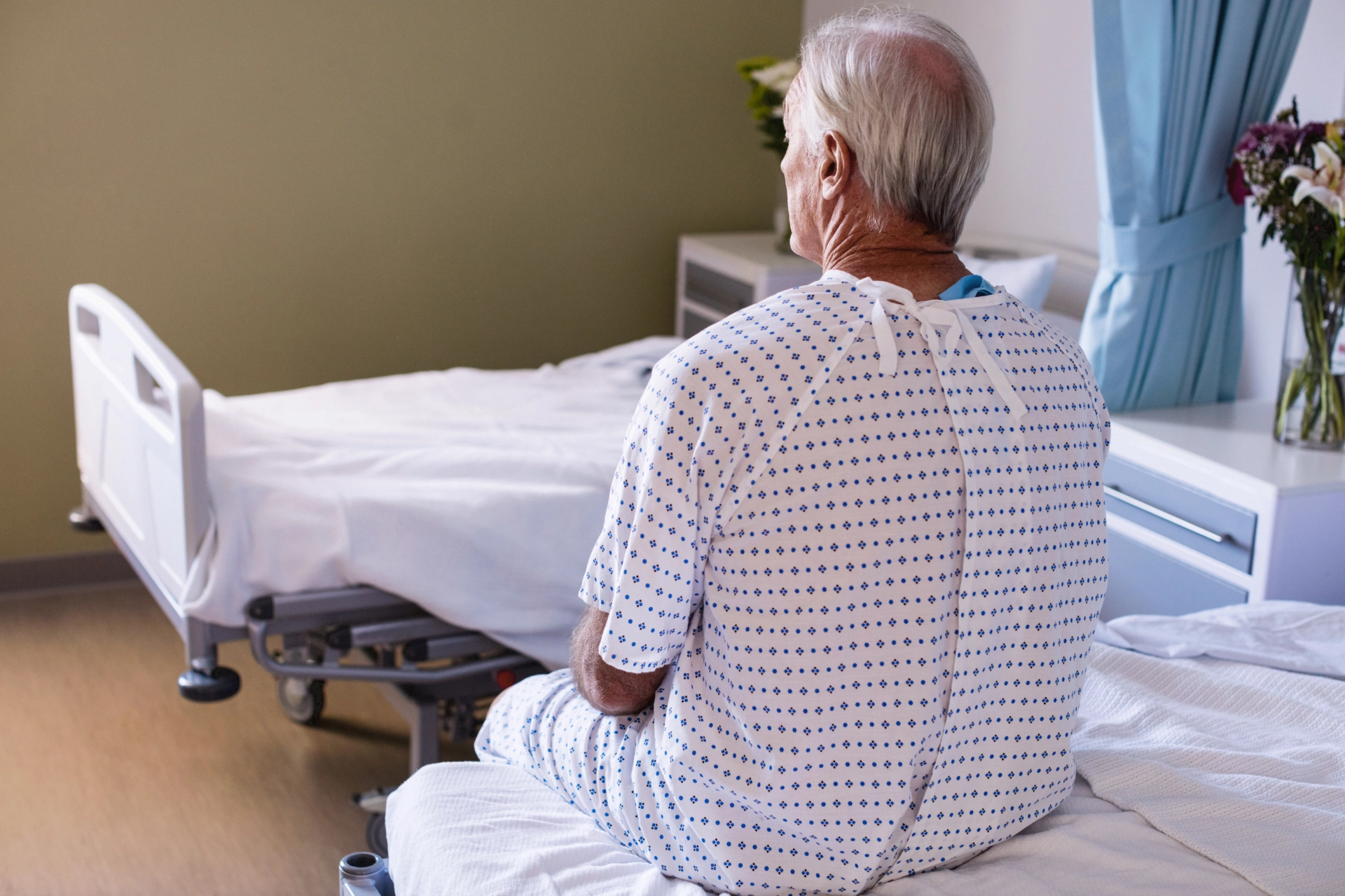
New research from the Registry of Senior Australians (ROSA) Research Centre at SAHMRI and Flinders University has revealed only a small proportion of all the elder abuse cases estimated to be being perpetrated are being officially recorded during hospital visits, exposing a potential reporting gap in the nation’s health system.
The study, recently published in the Medical Journal of Australia (MJA) and led by Associate Professor Stephanie Harrison and ROSA’s Consumer Committee, analysed data from nearly one million older Australians who accessed aged care services between 2010 and 2019. It found that just 0.06 per cent of individuals had elder abuse recorded during a hospitalisation or emergency department presentation, far lower than estimates from surveys of older Australians living in the community that suggest around 2–15% experience some form of abuse each year.
The findings come as the Australian Government rolls out a new 10-year National Plan to End the Abuse and Mistreatment of Older People, recognising elder abuse as a widespread and often hidden issue.
A/Prof Harrison says the findings point to a significant under recognition of elder abuse in acute care settings.
“What we’re seeing in hospital data may only be the tip of the iceberg,” A/Prof Harrison said.
“Elder abuse is often hidden, and it is likely that many cases are not identified or documented when older people present to emergency departments or are admitted to hospital.”
“These figures likely represent only the most severe cases that come to clinical attention.”
The Serious Incident Response Scheme was introduced in 2021 and represents an important step forward in identifying abuse and neglect in aged care. However, strengthening how elder abuse is identified and coded in Australian hospitals and emergency departments, and better integrating these data with other information sources, could further improve detection and monitoring. This would help build a clearer picture of elder abuse, both in Australia and globally, and support practical strategies to better protect older people from harm.
Elder abuse is associated with serious health consequences, including injury, hospitalisation and long-term psychological distress. The study found that physical abuse and neglect were most commonly recorded, though all types were likely underreported. Cases involving domestic violence were also identified, with some overlap between elder abuse and family violence incidents.
A/Prof Harrison says there are multiple reasons why abuse may go undetected in healthcare settings.
“Barriers such as stigma, fear, lack of awareness and the complexity of recognising abuse, particularly when it involves family members, can make it difficult for clinicians to identify and record these cases,” A/Prof Harrison said.
The study also found slightly higher rates of recorded abuse among people living with dementia, as well as those from socioeconomically disadvantaged backgrounds, and individuals who speak a language other than English.
A/Prof Harrison says improving how elder abuse is recognised and documented in hospitals is critical.
“Hospitals and emergency departments are key points of contact for older people and present an important opportunity to recognise and respond to abuse,” she said. “Strengthening clinical guidelines, providing staff training, and implementing routine screening could help ensure more cases are recognised and acted upon.”
ROSA researchers say the findings reinforce the need for greater national focus on elder abuse. They are calling for better data collection and linkage across health and aged care systems to support more effective prevention and intervention strategies.
Learn more about ROSA here
Learn moreRelated Articles



SAHMRI is located on Kaurna Country. We pay respects to the Kaurna people of the Adelaide Plains and to all Aboriginal and Torres Strait Islander people. We are committed to embracing knowledge and culture as we continue our working journey to incorporate Aboriginal health research across all of our themes and further reconciliation.
Read more"Tirki nguta tappa tangka marninithi"
(Learning and knowledge are the pathway to alter the mind)
- Uncle Lewis Yerloburka O’Brien, Kaurna Elder