
Give from the heart, for your heart
Make a tax-deductible donation to vascular research at SAHMRI.

There are at least 50,000 reasons to support SAHMRI. You might be one of them.
We're tackling the single biggest killer of Australians. Atherosclerosis, a disease of blood vessels, is a common factor in heart disease, stroke and dementia, claiming over 50,000 lives per year.
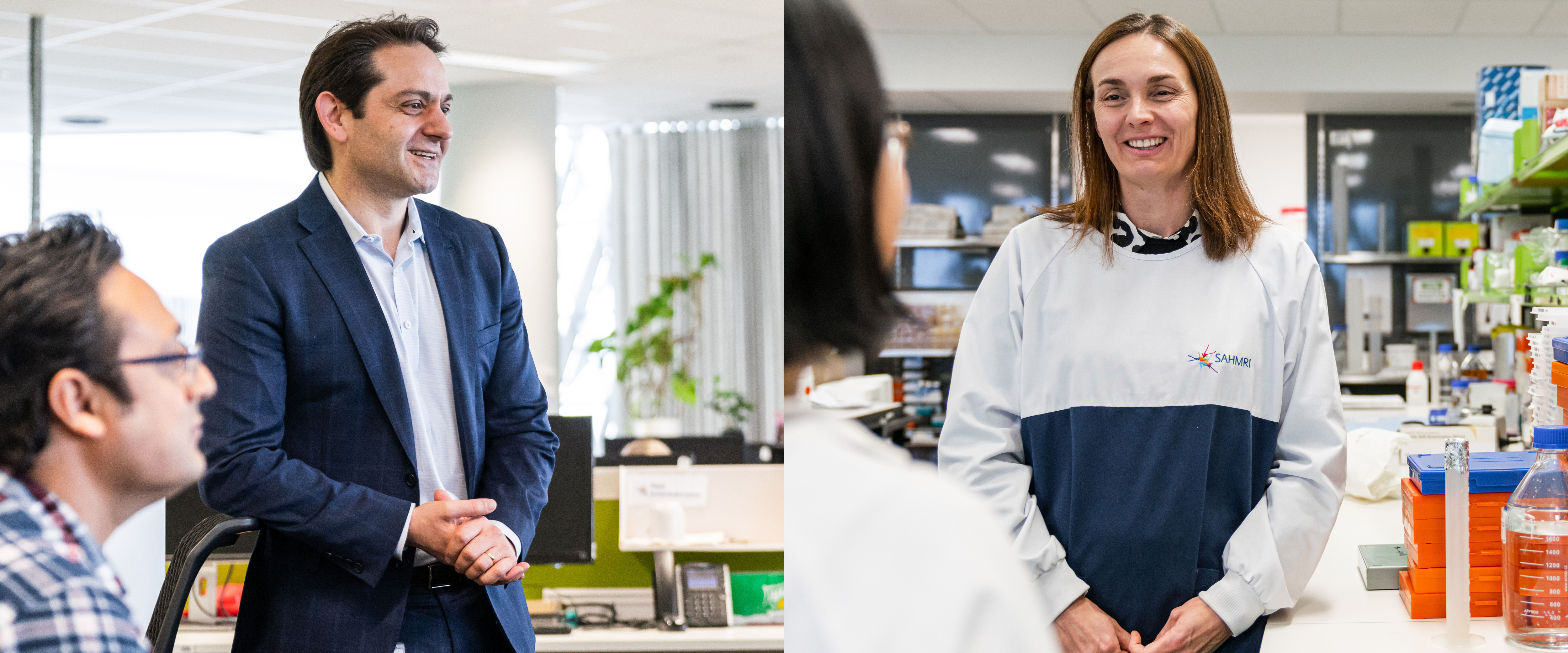
Professor Peter Psaltis, Professor Christina Bursill and their teams are exploring new ways to detect, treat and prevent this disease. Will you help?
Giving fatty plaque the flick.
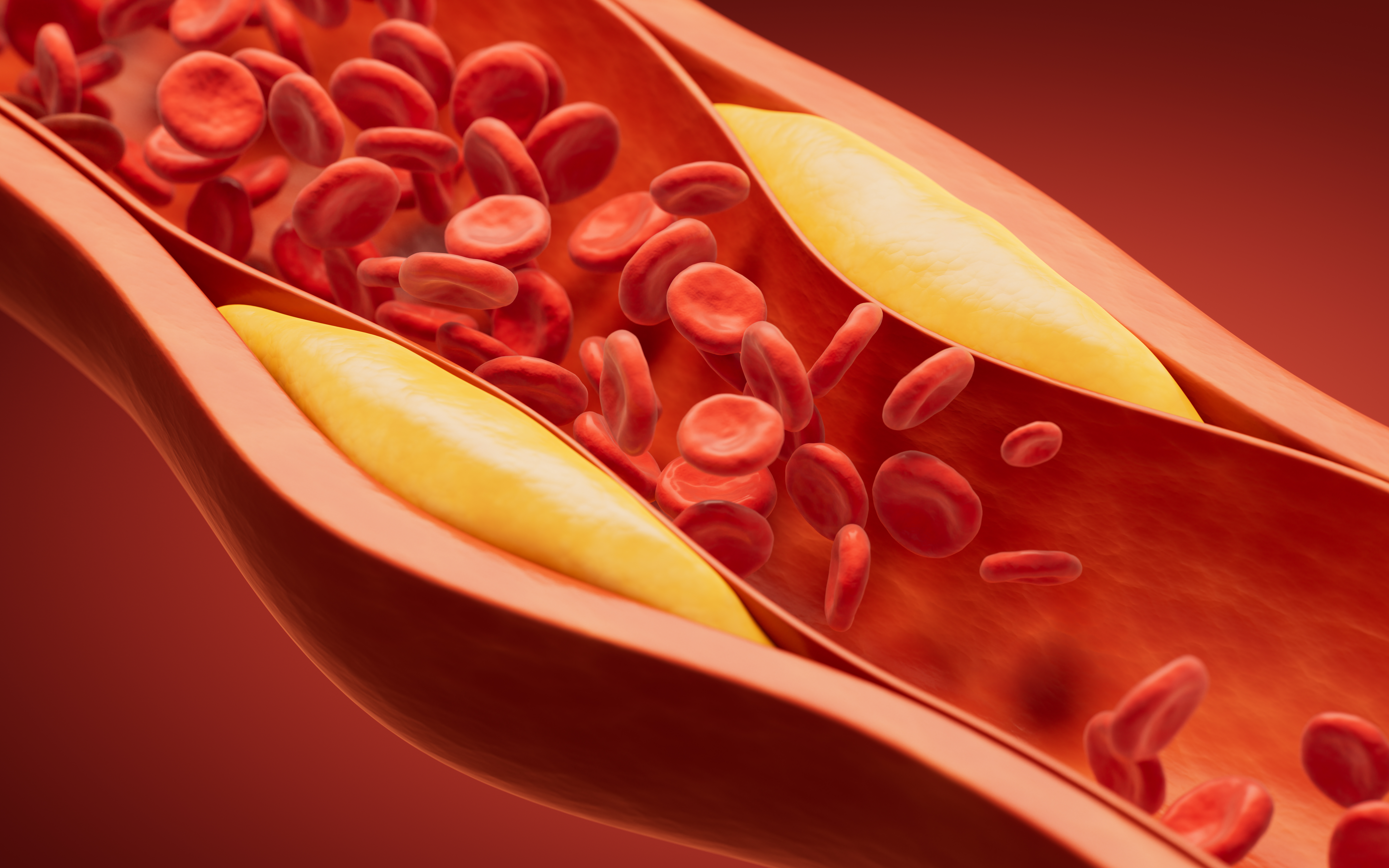
Atherosclerosis is the build-up of fatty plaque in the arteries causing them to narrow and harden, and it's a common factor in coronary heart disease, dementia and strokes.
SAHMRI’s Vascular Research Centre, led by Professor Peter Psaltis and Professor Christina Bursill, are undercovering previously unknown drivers of atherosclerosis and developing potentially lifesaving interventions to locate and reduce this arterial sludge, lowering the risk of heart attacks, strokes and other diseases.
You might be living with it right now.
We can’t turn back the clock, but we may be able to dial back the damage.
A world-first discovery.
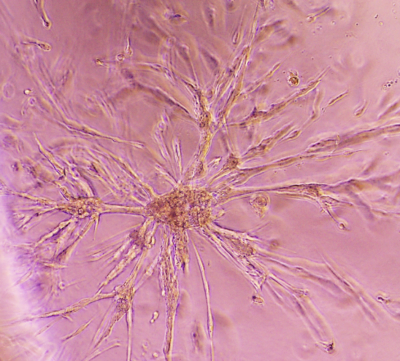
Professor Psaltis and his team discovered an entirely new cell type, first theorised to exist more than a century ago.
Dubbed EndoMac progenitors, these stem cells possess the unique ability to develop into two types of cells: endothelial cells that form blood vessels, or macrophages responsible for immune defence and tissue repair.
They're activated by injury or poor blood flow, at which point they rapidly expand to aid in healing. Ongoing research is examining whether scaling them up could promote healing or scaling them down could dampen unwanted growth such as atherosclerosis or cancer.
Fat bergs aren't just in the sewers...
You've doubtless heard of the 'fat bergs' that accumulate in city sewers, a greasy accretion of gunk that can block underground pipes.
Our blood vessels face similar challenges. When cholesterol accumulates in arteries the results can be not just unpleasant, but life threatening.
Just as devices are sent down sewer pipes to detect fat bergs and pressure points, so too are devices being engineered that can achieve the same in our arteries… at a much smaller scale.
SAHMRI researchers are modelling how mechanical forces in our arteries affect the development of plaque.
In an engineering innovation, SAHMRI scientists are collaborating on a project to bioprint microscopic lenses onto tiny tubes to study plaque inside blood vessels, providing insights that external scans simply cannot achieve.
Give from the heart, for your heart
Donate today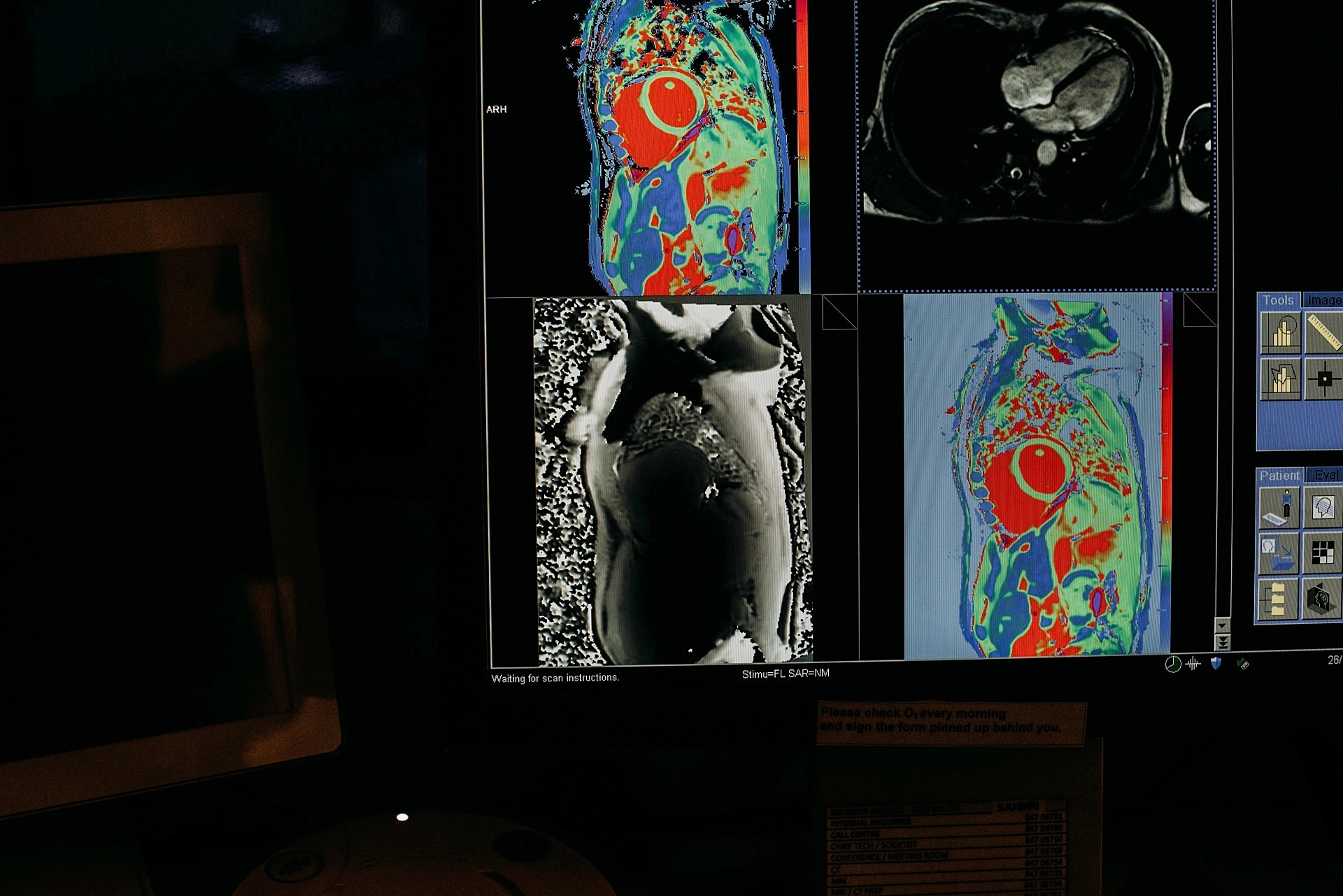


SAHMRI is located on Kaurna Country. We pay respects to the Kaurna people of the Adelaide Plains and to all Aboriginal and Torres Strait Islander people. We are committed to embracing knowledge and culture as we continue our working journey to incorporate Aboriginal health research across all of our themes and further reconciliation.
Read more"Tirki nguta tappa tangka marninithi"
(Learning and knowledge are the pathway to alter the mind)
- Uncle Lewis Yerloburka O’Brien, Kaurna Elder