
Life-saving dialysis services under pressure across Australia and New Zealand
05 May 2026
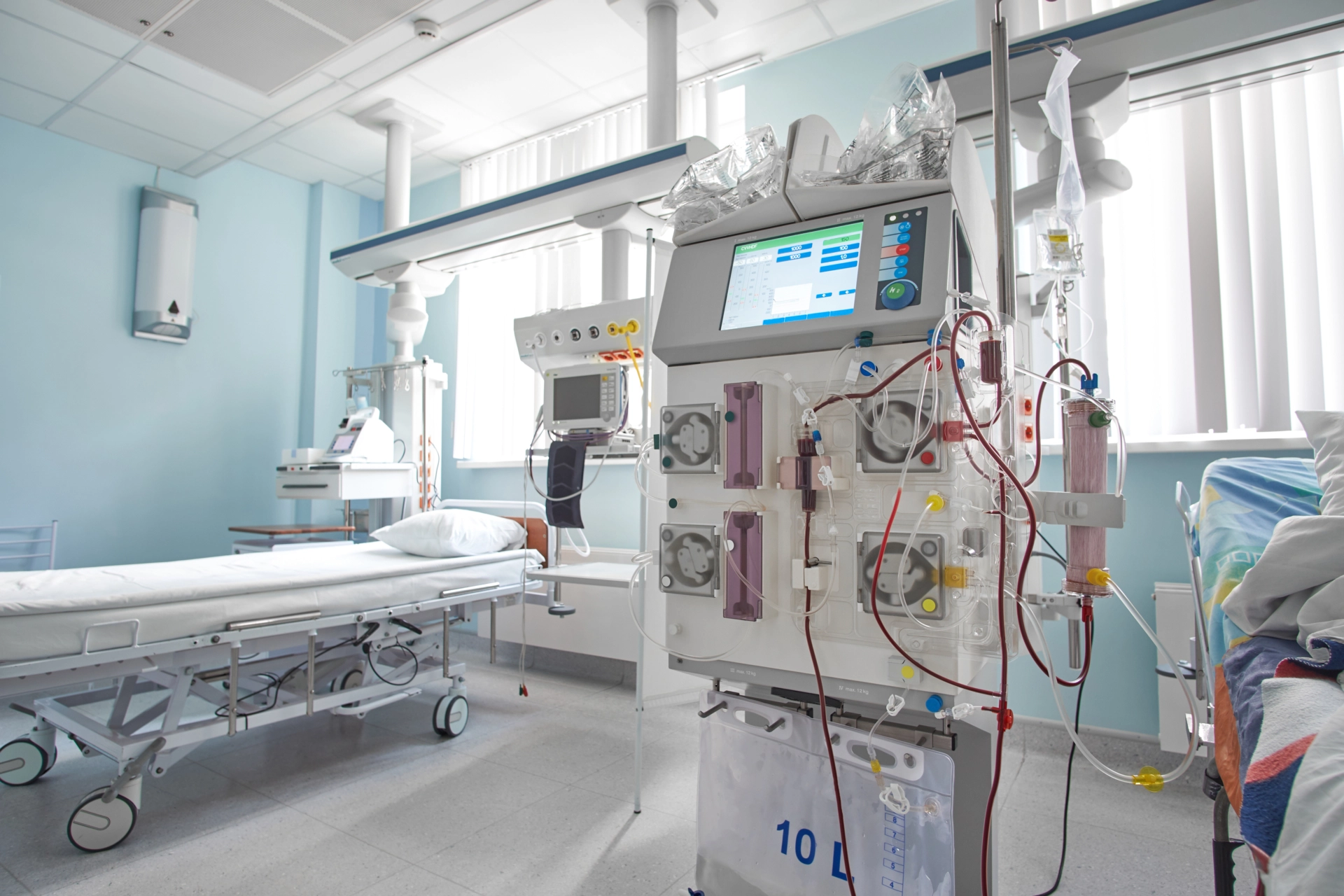
A new 2025 report on haemodialysis capacity across Australia and New Zealand has revealed significant and growing pressure on dialysis services, with many regions operating at or above safe and sustainable capacity.
Haemodialysis is a life-sustaining treatment for people with kidney failure, typically required multiple times each week. In Australia, the national average is 3.34 patients per dialysis machine, increasing to 3.49 when acute dialysis activity is included. In New Zealand, the national ratio is 4.53 patients per machine.
The bi-national survey, led by the Australian and New Zealand Dialysis and Transplant Registry (ANZDATA) based at SAHMRI, and the Australian and New Zealand Society of Nephrology (ANZSN), is the most comprehensive assessment of haemodialysis capacity undertaken to date.

The report revealed more than 80% of Australian regions report waiting lists for people needing dialysis or seeking treatment closer to home. It also highlighted substantial variation in dialysis capacity constraints between regions, which may result in patients travelling long distances multiple times each week to access life-sustaining treatment.
Many dialysis units are operating at or near full capacity, with some exceeding usual capacity levels, while staffing and funding shortages are preventing the use of existing dialysis machines.
For the first time, the survey captured national data on acute haemodialysis activity, highlighting additional pressure on hospital-based services.
ANZSN President Sharon Ford says the findings demonstrate that current dialysis capacity is insufficient to meet present-day demand, let alone future growth.
“This report reflects a system under strain, not isolated pressure points,” she said.
“Even where services appear to be operating within usual capacity, the system lacks resilience.”
The report warns that without sustained investment and coordinated national planning, health systems will face increasing pressure, rising hospitalisations and worsening patient outcomes.
It’s hoped the findings will support governments and health services to better plan and deliver dialysis care that is timely, safe and equitable for all people living with kidney failure.
Support better kidney care through research
DonateRelated Articles






SAHMRI is located on Kaurna Country. We pay respects to the Kaurna people of the Adelaide Plains and to all Aboriginal and Torres Strait Islander people. We are committed to embracing knowledge and culture as we continue our working journey to incorporate Aboriginal health research across all of our themes and further reconciliation.
Read more"Tirki nguta tappa tangka marninithi"
(Learning and knowledge are the pathway to alter the mind)
- Uncle Lewis Yerloburka O’Brien, Kaurna Elder