
New treatment approach boosts survival in young leukaemia patients
29 Jan 2026

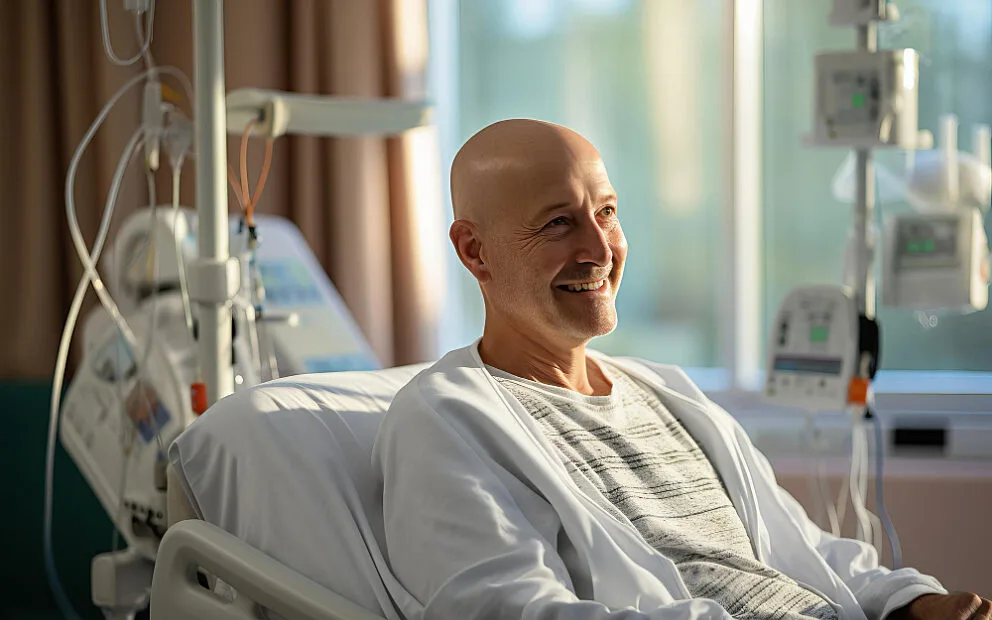
An Australian research collaboration has led to a major leap forward in the treatment of acute lymphoblastic leukaemia (ALL).
Recently published clinical trial results have shown evidence that switching part of the standard chemotherapy protocol for a targeted immunotherapy, can significantly improve outcomes for young people living with the disease.
Recently published in haematology journal, HemaSphere, the ALLG ALL09 ‘SUBLIME’ study, was led by Associate Professor Matthew Greenwood of the Royal North Shore Hospital in Sydney and co-ordinated nationally by the Australasian Leukaemia and Lymphoma Group (ALLG). It enrolled 55 patients with ALL aged 15 to 39 who underwent treatment between 2019-2022.
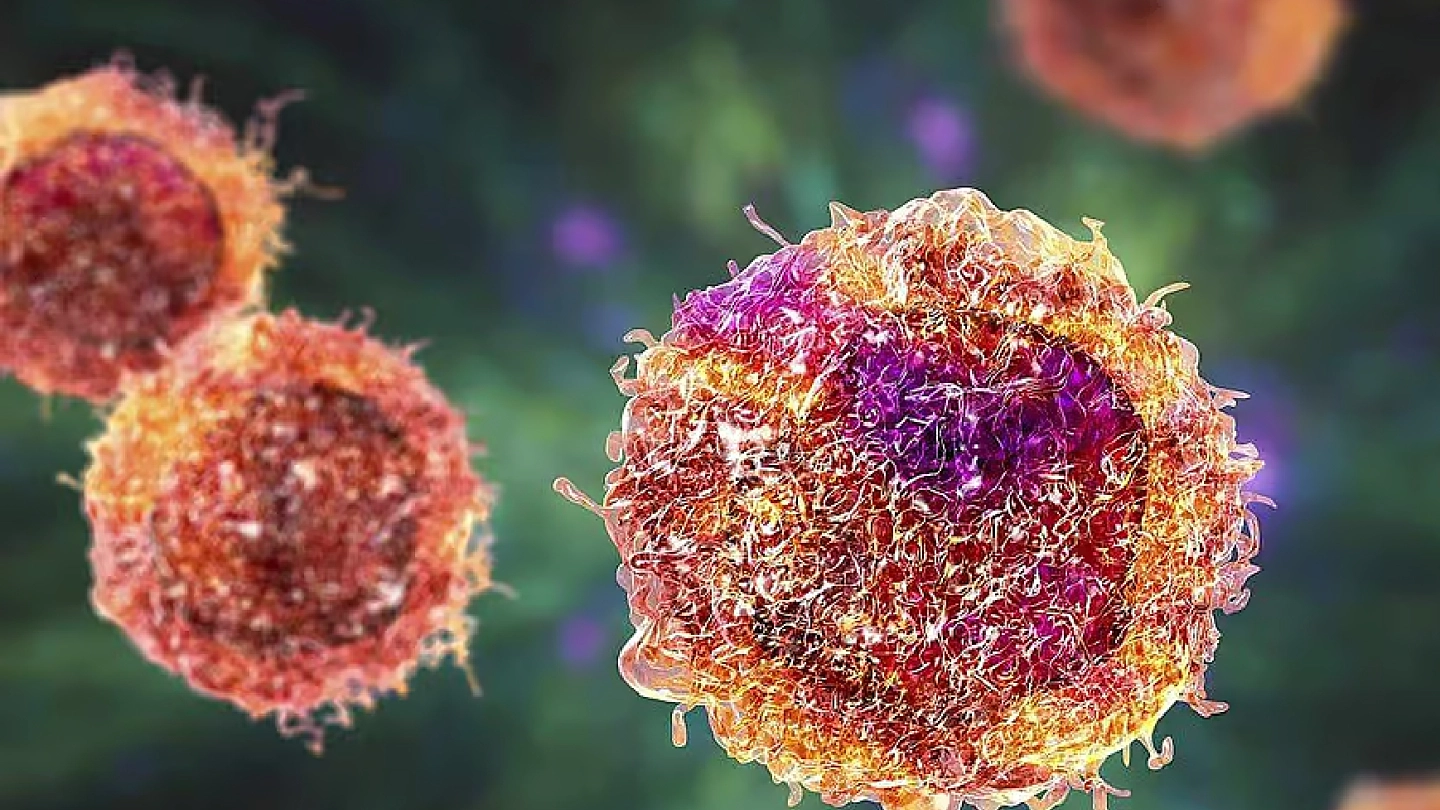
During the study, the typical treatment regimen was altered so that one of the most intensive chemotherapy stages was replaced with blinatumomab, a drug that directs the immune system to hunt and destroy leukaemia cells. The aim being to improve efficacy whilst minimising toxicity.
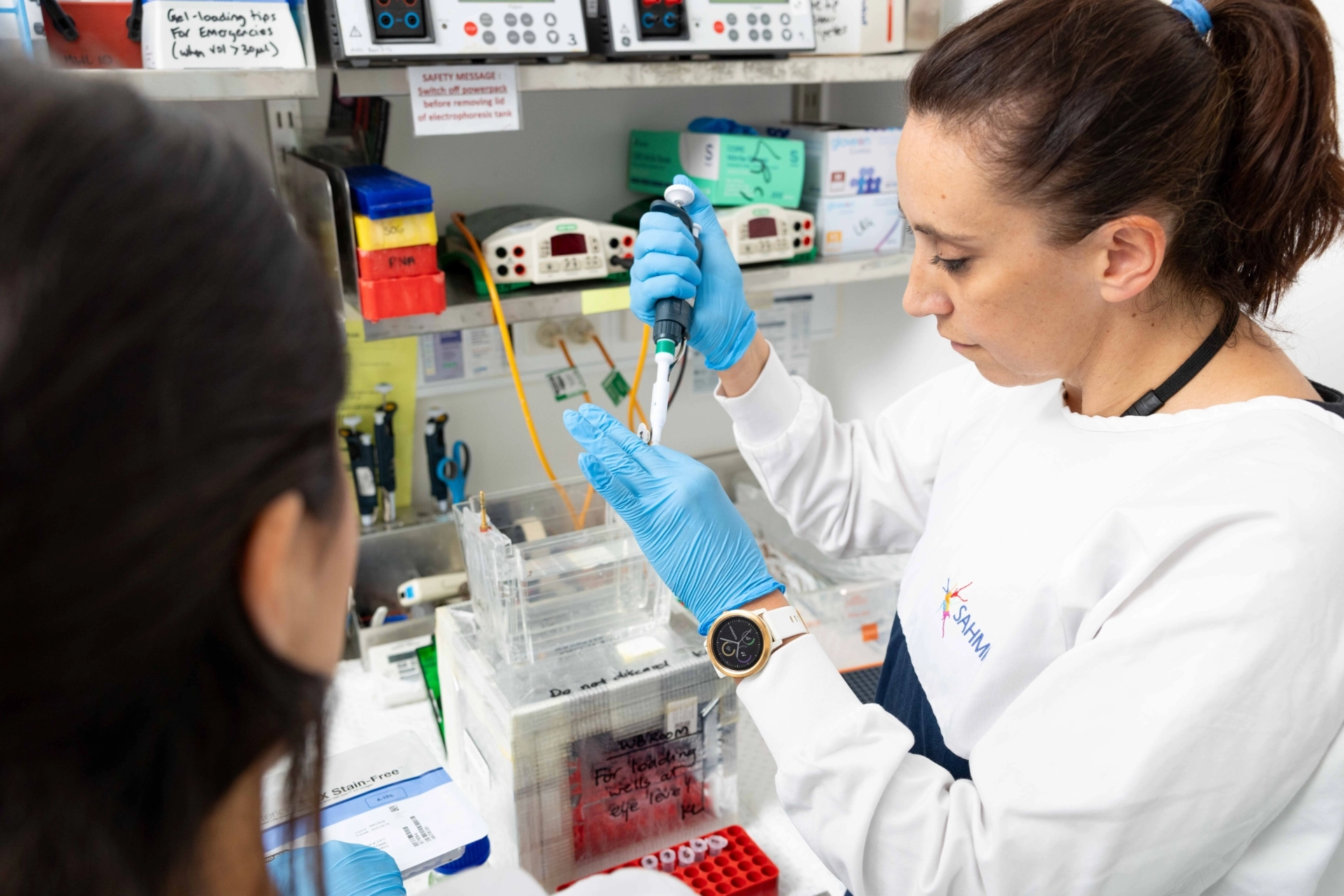
Researchers from SAHMRI and Adelaide University made a significant contribution to the study, leading the genomic profiling.
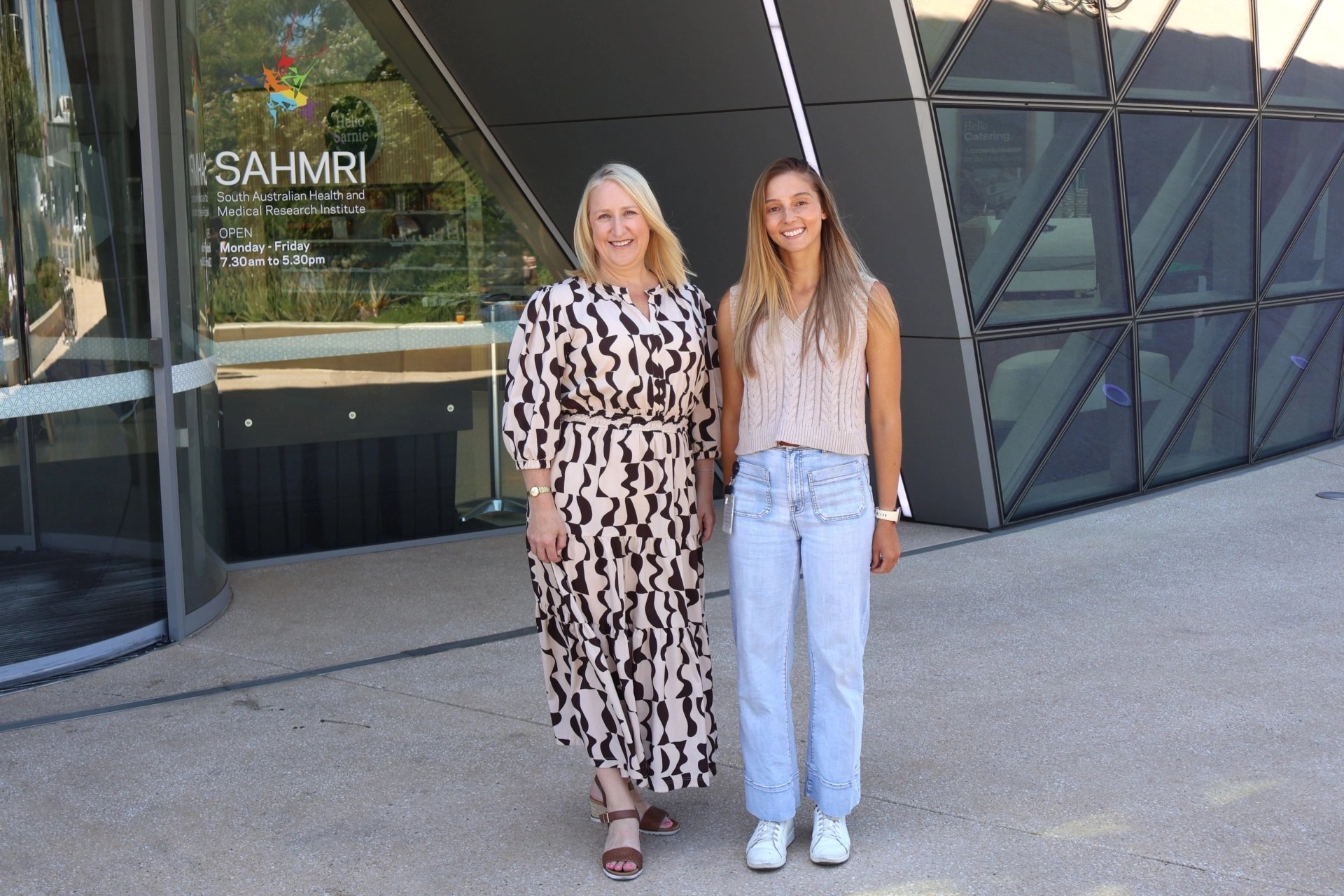
Working together, Professor Deborah White, leader of SAHMRI’s ALL Group and Board Director of ALLG, along with haematologist, Professor David Yeung, discovered critical clues to the mutations that caused leukaemia in these patients, and dissected how treatments work in this disease.
“The combination of chemotherapy and immunotherapy was generally well tolerated and effective. After three years of follow up, nearly 89% of patients are still alive and cancer free,” Prof White said.
“While chemotherapy is effective, it’s very hard on young bodies. By using a targeted immunotherapy at the right time, we saw faster clearance of disease without adding extra strain for most patients.”
Based on the mutations present in ALL cells, Prof White and her team were able to identify two groups of patients.
One group with treatment responsive disease had 100% survival, versus the group with more resistant mutations, where survival was 80%.
“Many patients in this study had higher-risk genomic features that increases their likelihood of poor outcomes, yet most still responded remarkably well. That tells us this approach has real value, even in cases that are harder to treat,” Prof White said.
The findings are the result of a decade of collaborative research.
“This work has been many years in the making. It’s taken careful planning, clinical expertise and strong collaboration across the country, and we’re very pleased to see young patients benefiting from it,” Prof White said.
Researchers will now explore combining early immunotherapy with other targeted methods to continue improving survival rates and reduce long-term side effects.
Contribute to important research like this
Donate todayRelated Articles


SAHMRI is located on Kaurna Country. We pay respects to the Kaurna people of the Adelaide Plains and to all Aboriginal and Torres Strait Islander people. We are committed to embracing knowledge and culture as we continue our working journey to incorporate Aboriginal health research across all of our themes and further reconciliation.
Read more"Tirki nguta tappa tangka marninithi"
(Learning and knowledge are the pathway to alter the mind)
- Uncle Lewis Yerloburka O’Brien, Kaurna Elder