
Gut–brain connection could explain why some women experience ‘chemo-brain’
17 Feb 2026

New research suggests the gut microbiome and chemical signals in saliva could help predict which women are most likely to experience chemotherapy-related cognitive issues, known as ‘chemo-brain’.
The pilot study, published in Cancer Letters, examined stool and saliva samples from participants prior to chemotherapy, alongside symptom questionnaires completed during treatment from women with newly diagnosed breast cancer and tracked changes in their self-reported cognitive function during chemotherapy.
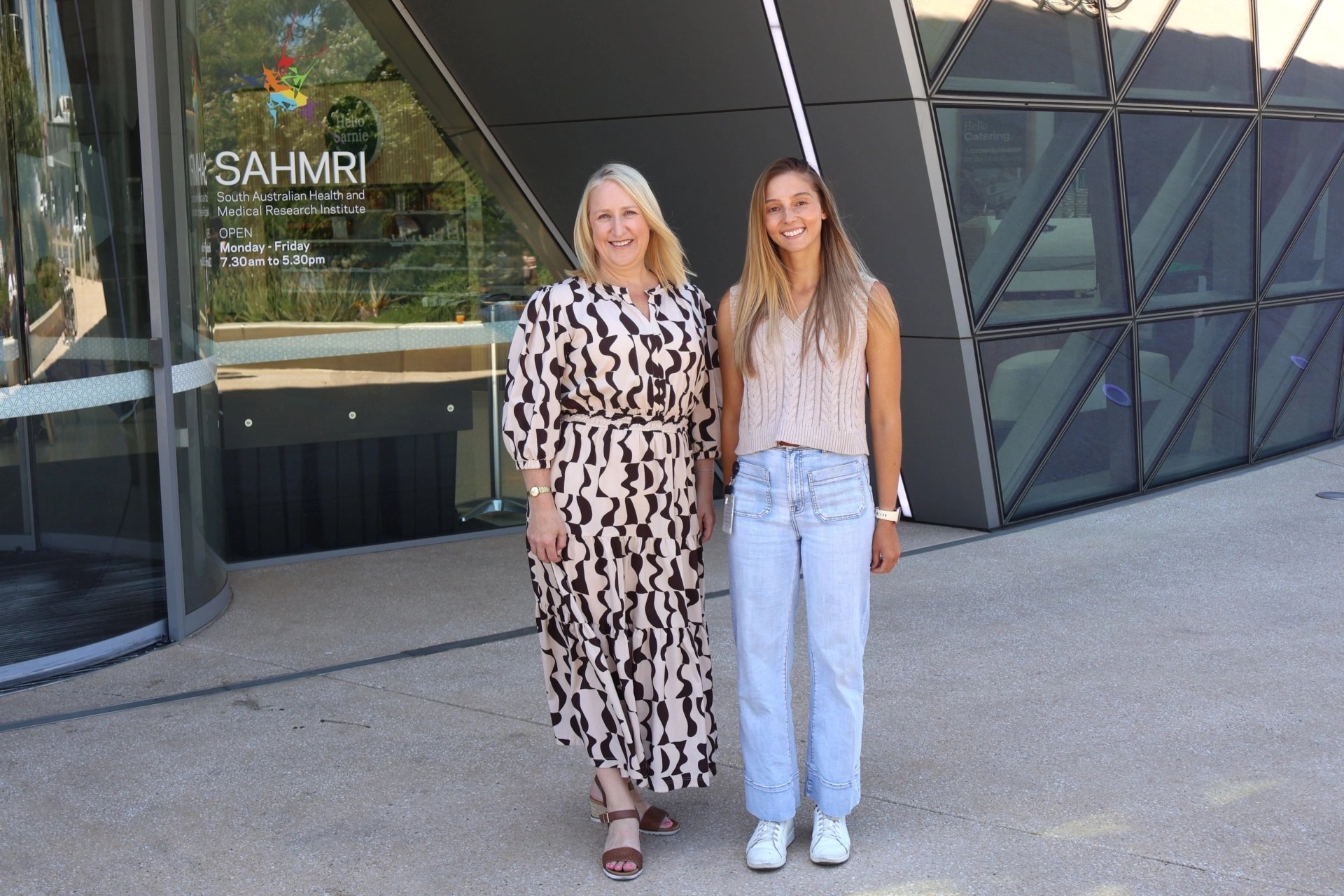
Lead author, Dr Courtney Cross, says chemotherapy-induced cognitive impairment can affect memory, concentration and mental clarity, with symptoms persisting for months or even years after treatment.
“Chemo-brain is one of the most commonly reported and distressing side effects of cancer treatment, but we still don’t have reliable ways to identify who is most at risk,” Dr Cross said.
“Our findings suggest that biological signals present before treatment begins may help us predict who is more likely to experience cognitive challenges.”
Researchers analysed stool and saliva samples from participants prior to chemotherapy, alongside symptom questionnaires completed during treatment. They found differences in gut bacteria composition and salivary metabolites between women who went on to report cognitive impairment and those who did not.
One gut bacterium in particular, ‘Sutterella’, and several saliva-based metabolites, were linked to later cognitive symptoms. When these biological markers were analysed together, they improved the ability to predict who would develop cognitive impairment.
“This points to the gut–brain connection as an important piece of the puzzle,” Dr Cross said.
“The gut microbiome plays a key role in regulating immune and inflammatory processes, which are increasingly recognised as contributors to cognitive symptoms during cancer treatment.”
The research highlights the potential for future screening tools that could identify high-risk patients before chemotherapy begins, allowing earlier support and targeted interventions.
“At the moment, cognitive side effects are managed reactively, after symptoms appear,” Dr Cross said.
“If we can identify people at higher risk in advance, it opens the door to proactive strategies to protect brain health and quality of life during treatment.”
The authors caution the study was small and exploratory, involving 20 women, and larger studies will be needed to confirm the findings and refine predictive models.
“This is an important first step, but it’s not the final answer,” Dr Cross said.
“We now need to validate these biological signatures in larger groups and explore how they might be used in clinical care.”
The research was conducted by scientists from SAHMRI, Adelaide University, CSIRO and Flinders University, and was supported by the Veronika Sacco Postdoctoral Clinical Cancer Research Fellowship and SAHMRI Bright Sparks Award.
Support important research like this
Donate to SAHMRI todayRelated Articles




SAHMRI is located on Kaurna Country. We pay respects to the Kaurna people of the Adelaide Plains and to all Aboriginal and Torres Strait Islander people. We are committed to embracing knowledge and culture as we continue our working journey to incorporate Aboriginal health research across all of our themes and further reconciliation.
Read more"Tirki nguta tappa tangka marninithi"
(Learning and knowledge are the pathway to alter the mind)
- Uncle Lewis Yerloburka O’Brien, Kaurna Elder