
South Australian research highlights health impact of racism in sport
13 Apr 2026
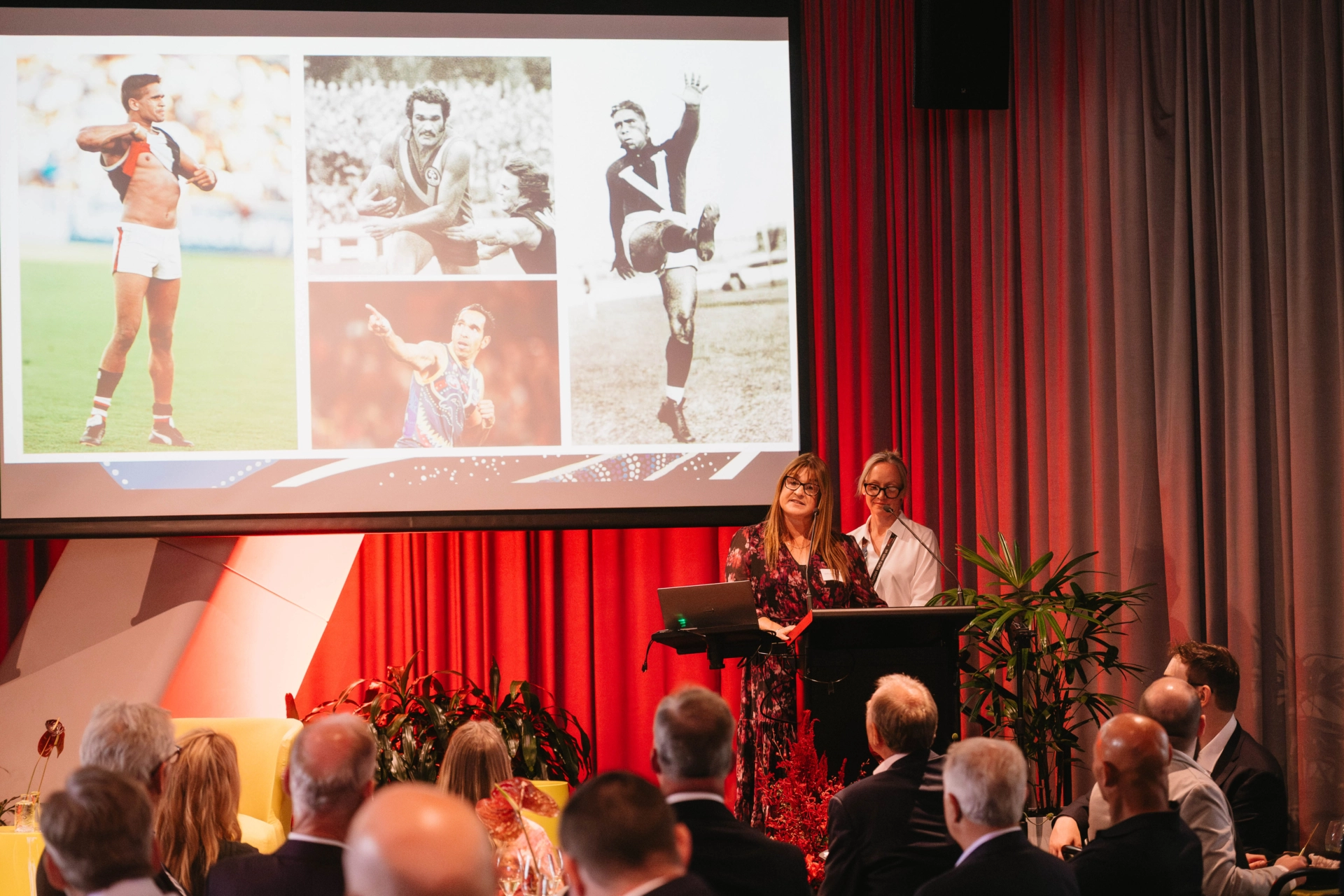
A SAHMRI pilot study has found 60% of Aboriginal and Torres Strait Islander footballers and netballers in South Australia have experienced racism in sport, much of it in the past 12 months.
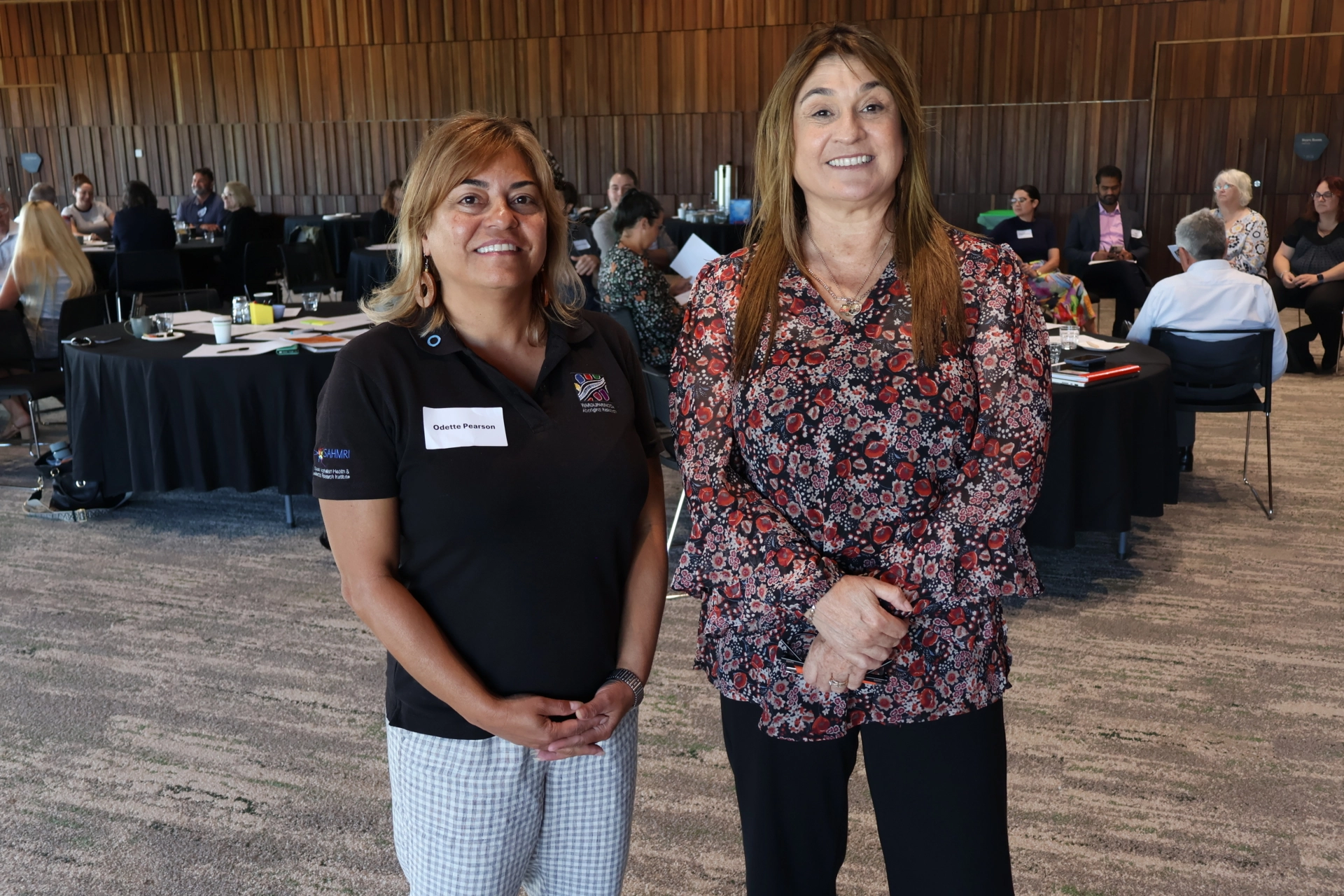
The research was led by Associate Professor Rachel Reilly and Associate Professor Kim Morey from SAHMRI’s Wardliparingga Aboriginal Health Equity Theme. They say the findings reinforce the importance of clubs tackling this pernicious and enduring issue.
“We know that racism doesn’t just cause emotional harm, it causes physical harm. Its prevalence means being constantly on alert for racism, creating unrelenting stress which affects physical wellbeing, notably cardiovascular health – an area with one of the widest health gaps,” A/Prof Reilly said.
“The message to sporting codes is clear, racism is too common and impacts the game by affecting players’ physical health, mental wellbeing and ability to participate, so it’s in the interest of the game as well as its players to address it.”
A/Prof Reilly says the pilot survey of 126 Aboriginal and Torres Strait Islander people and 100 non-Indigenous people spanned players, officials, umpires, referees, administrators, parents and spectators.
The study also showed mixed accounts of how much help was available when a racism incident was reported.
Many clubs have social inclusion policies, but racism is not specifically mentioned and their effectiveness is unknown.
“On the positive side, there was a lot of goodwill expressed by non-Indigenous respondents, who acknowledged that racism exists and that something needs to be done,” A/Prof Reilly said.
“While their engagement with racism as an issue was low and few had taken the opportunity to learn about Indigenous culture, goodwill is an important first step towards greater involvement, understanding and trust.”
A/Prof Morey says it’s important to note that work is happening at SANFL and AFL level to acknowledge and address racism.
“Showing leadership by standing up against high profile experiences of racism sends important signals to the rest of the community,” she said.
Researchers are now seeking build on the pilot study by extending the survey beyond football and netball to other sports, and increasing the sample size across metro, regional and remote areas.
“We want to study the intergenerational effects of racism on the sports field and better understand how people protect themselves and their wellbeing despite racism,” A/Prof Morey said.
A/Prof Reilly and A/Prof Kim Morey presented their research at SAHMRI’s AFL Gather Round Elite Sport Meets Elite Science luncheons.
Your support can help advance medical research
Donate nowRelated Articles

SAHMRI is located on Kaurna Country. We pay respects to the Kaurna people of the Adelaide Plains and to all Aboriginal and Torres Strait Islander people. We are committed to embracing knowledge and culture as we continue our working journey to incorporate Aboriginal health research across all of our themes and further reconciliation.
Read more"Tirki nguta tappa tangka marninithi"
(Learning and knowledge are the pathway to alter the mind)
- Uncle Lewis Yerloburka O’Brien, Kaurna Elder