
Guiding the future of ageing well research for Indigenous South Australians
06 Feb 2026
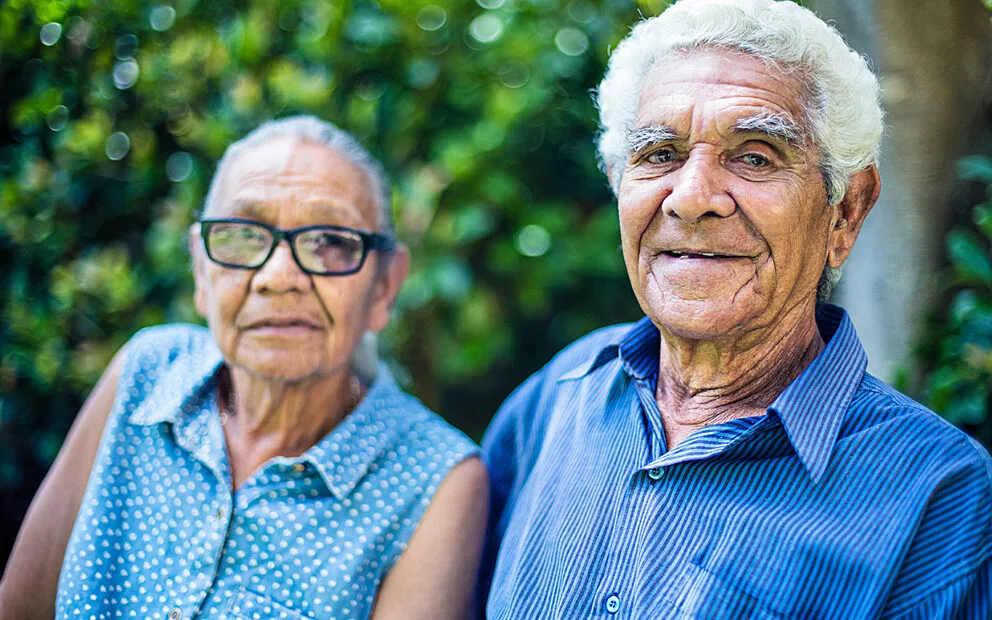
A new Aboriginal-led framework has set out the first state-wide research priorities focused specifically on ageing well for Aboriginal and Torres Strait Islander peoples, grounded in community knowledge, cultural authority and lived experience.
Developed by the Wardliparingga Aboriginal Health Equity Theme at SAHMRI in partnership with the Government of South Australia’s Office for Ageing Well, the South Australian Aboriginal Ageing Well Research Priorities respond to a gap in ageing research and policy.
Aboriginal and Torres Strait Islander peoples have had limited opportunity to define what ageing well means for them and how research could support it.
With oversight from an active Project Steering Committee, the priorities were developed through a community-led process involving more than 70 Aboriginal and Torres Strait Islander community members and stakeholders across research, policy and service sectors, representing metropolitan, regional and remote areas of the state. The process was supported by an evidence review, consultations, priority mapping and a workshop.
Aboriginal Health Equity Co-Lead, Professor Odette Pearson, says the project reflects the voices of Aboriginal communities in defining what ageing well means to them and what supports them to age well.
“We heard that ageing well isn’t just about living longer, it’s about living with purpose, dignity and connection to culture, community and Country. Research has a role in this being achievable for all people,” Prof Pearson said.
“These priorities have been defined by community, for community, to ensure future research and policy are culturally grounded and genuinely beneficial.”
The project identified 10 priority areas and 59 research questions across areas such as cultural connection, community participation, housing, human rights, holistic and well-coordinated services and intergenerational care.
Each priority recognises the importance of self-determination and the central role of culture as a foundation for health, identity and wellbeing.
The report also highlights gaps where existing evidence has not been effectively translated into policy or practice, underscoring the need for Aboriginal-led, culturally safe research that delivers tangible benefits for communities.
Aboriginal Health Equity Co-Leader, A/Prof Kim Morey, says the work will play a critical role in shaping South Australia’s next Ageing Well Plan (2026–2036), while also helping assess progress under the current plan.
“We acknowledge the leadership of the Office for Ageing Well in recognising the need for the development of ageing well research priorities from the perspective of the Aboriginal population in South Australia and the ways of working of our research team with the diverse range of participants and communities to develop these,” A/Prof Morey said.
“By centring Aboriginal voices and values, we can build systems that uphold dignity, strengthen culture and create environments where Aboriginal people can thrive across the lifespan.”
The South Australian Aboriginal Ageing Well Research Priorities provide a direction for researchers, service providers and policymakers to work together towards a future where every Aboriginal and Torres Strait Islander person has the opportunity to live and age well.
This research was funded by the Office for Ageing Well and the Medical Research Future Fund (MRFF).
Support important research like this
Donate to SAHMRIRelated Articles

SAHMRI is located on Kaurna Country. We pay respects to the Kaurna people of the Adelaide Plains and to all Aboriginal and Torres Strait Islander people. We are committed to embracing knowledge and culture as we continue our working journey to incorporate Aboriginal health research across all of our themes and further reconciliation.
Read more"Tirki nguta tappa tangka marninithi"
(Learning and knowledge are the pathway to alter the mind)
- Uncle Lewis Yerloburka O’Brien, Kaurna Elder