
Indigenous genomics interns explore soil microbes to support health of Country
02 Apr 2026
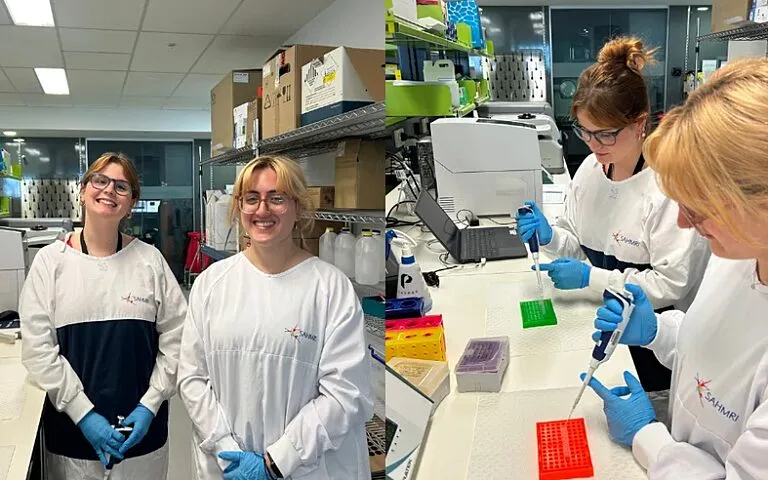
The South Australian Genomics Centre’s (SAGC) Indigenous genomics internship program has run for the second year in a row. This year the team collaborated with a local Aboriginal community on a project to support environmental regeneration at a culturally significant site to the Kaurna people in Adelaide’s south.
Home to the Living Kaurna Cultural Centre, the Warriparinga site sits on the Sturt River, known in Kaurna language as Warri Parri, meaning, “windy place by the river”. Warriparinga is a public space used for cultural education, recreation and the re-establishment of native plants and animals. The site holds cultural significance for the Kaurna people, with evidence of historic camp ovens and scar trees, and is a significant site in the Kaurna Tjilbruki Dreaming story.
The internship program is part of a three-year collaborative initiative between the SAGC, Wardliparingga at SAHMRI and the Australian Alliance for Indigenous Genomics to build Indigenous capacity in genomics. The initiative provides hands-on skills in a real laboratory environment, as well as networking opportunities across genomics disciplines. Overall, the program aims to support Aboriginal scientists who are underrepresented in the genomics field; a rapidly growing area that has the potential to influence human health, medicine and environmental health in the future.
The project was co-designed with Traditional Custodians at Warriparinga to answer questions about the impacts of colonisation, including urbanisation. Angie Couzner (Kokatha) and Corrin Paepke (Kaurna) analysed microbial communities in the Warriparinga Wetlands using metagenomic sequencing, to better understand how microbes contribute to the health of the site.
The project compared microbial diversity across different parts of the river corridor, including restored areas and locations impacted by infrastructure or environmental change. The interns gained experience across the full genomics workflow, including sampling, DNA extraction, quality control, library preparation, sequencing and data analysis.
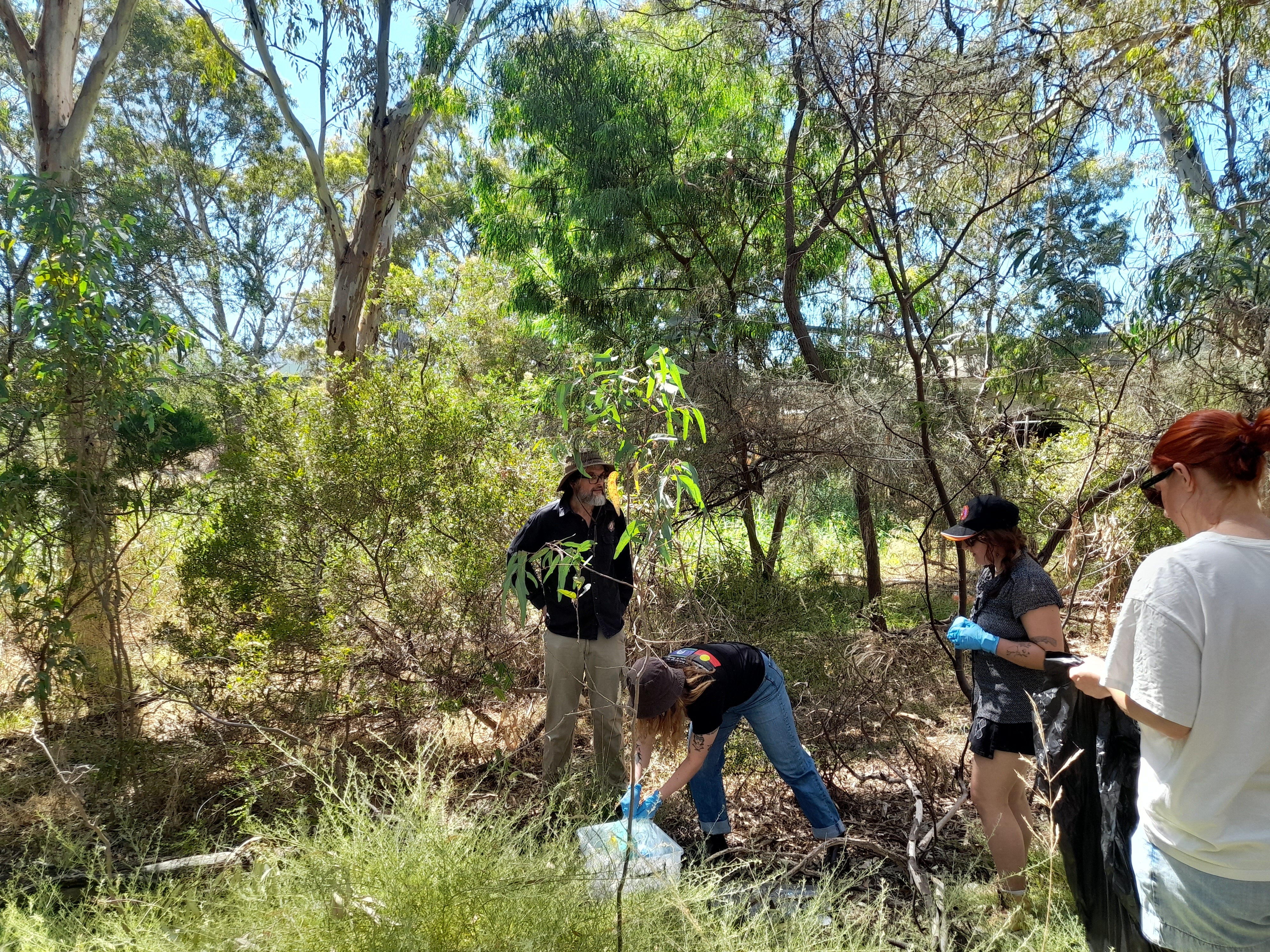
Internship program coordinator, Dr Marlie Frank, says the project was designed to combine meaningful community collaboration with hands-on technical training, providing an opportunity for transferable skill development and community connection.
“This collaboration allowed us to co-design a project that explores the health of Country while also giving our interns experience they wouldn’t normally have access to.
“This approach allowed Angie and Corrin to learn sequencing and bioinformatics techniques that they can take into any future genomics career opportunities” Dr Frank said.
Corrin, who’s completing a PhD applying genomics and forensic biology, says the community-led nature of the work stood out to her.
“I think it’s been very meaningful to have the opportunity to work on a project that’s community-driven and community-led. All of the data is returned to the Traditional Custodians for their benefit in understanding the health of Warriparinga. It’s such an incredible achievement, as Indigenous data sovereignty is complex and should be taken seriously. There aren’t many Aboriginal scientists specialising in genomics, and bridging Western science with Indigenous ways of knowing, being and doing is really important,” Corrin said.
Angie, who studied laboratory medicine and works in microbiology diagnostics, says the experience has strengthened her interest in pursuing genomics further.
“This opportunity helped me build skills in areas I hadn’t worked in before, especially in bioinformatics. I can see myself pursuing opportunities in genomics or combining my microbiology skills with genomics in the future,” Angie said.
Dr Frank says both interns have embraced the challenge of learning complex new skills in this internship.
“I’m really proud of how they’ve approached this challenge and flourished. Hearing Angie and Corrin express their confidence and enthusiasm for potential new opportunities in genomics is exactly what this internship hopes to achieve,” she said.
Angie and Corrin expressed that the way this project was run is a positive step towards changing the way genomics research is conducted with and for Aboriginal communities.
The program is expected to continue into a third year, creating further opportunities for other Indigenous scientists to gain experience in genomics, strengthening representation.
Interested to learn more about genomics at SAHMRI?
Learn moreRelated Articles


SAHMRI is located on Kaurna Country. We pay respects to the Kaurna people of the Adelaide Plains and to all Aboriginal and Torres Strait Islander people. We are committed to embracing knowledge and culture as we continue our working journey to incorporate Aboriginal health research across all of our themes and further reconciliation.
Read more"Tirki nguta tappa tangka marninithi"
(Learning and knowledge are the pathway to alter the mind)
- Uncle Lewis Yerloburka O’Brien, Kaurna Elder