
Lived experience shaping research to improve care for mums and preterm babies
19 May 2026
Chloe Ann Wallin will never forget how it felt to have to leave her newborn baby in the neonatal ward each night.
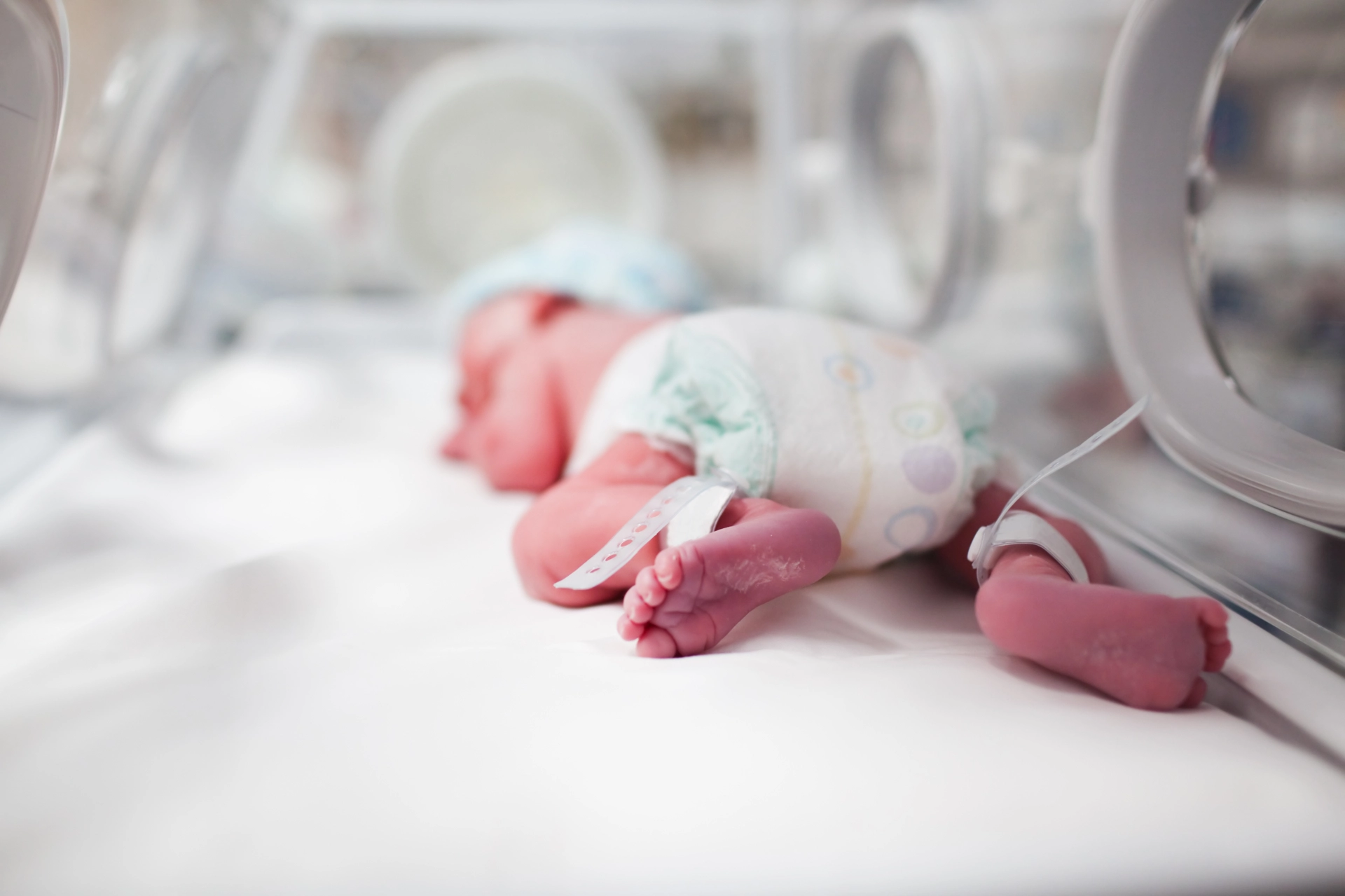
Her daughter Darcy was born preterm at 33 weeks, after Chloe developed severe pre eclampsia and needed an emergency caesarean. In the days that followed, Chloe was recovering from surgery and the effects of heavy medication, while Darcy remained in neonatal care.
“I was foggy, exhausted and just trying to get through each day. So much felt out of my control,” she said.
When visiting hours came to an end each night, Chloe’s husband had to leave her in hospital without her daughter beside her.
“That moment broke my heart every day,” Chloe said. “I felt incredibly alone, and it was hard for friends and family to really understand what we were going through.”
For many families facing premature birth, feeding quickly becomes one of the most emotionally challenging parts of neonatal care. For Chloe, it also became one of the few ways she felt she could actively contribute to her daughter’s wellbeing.
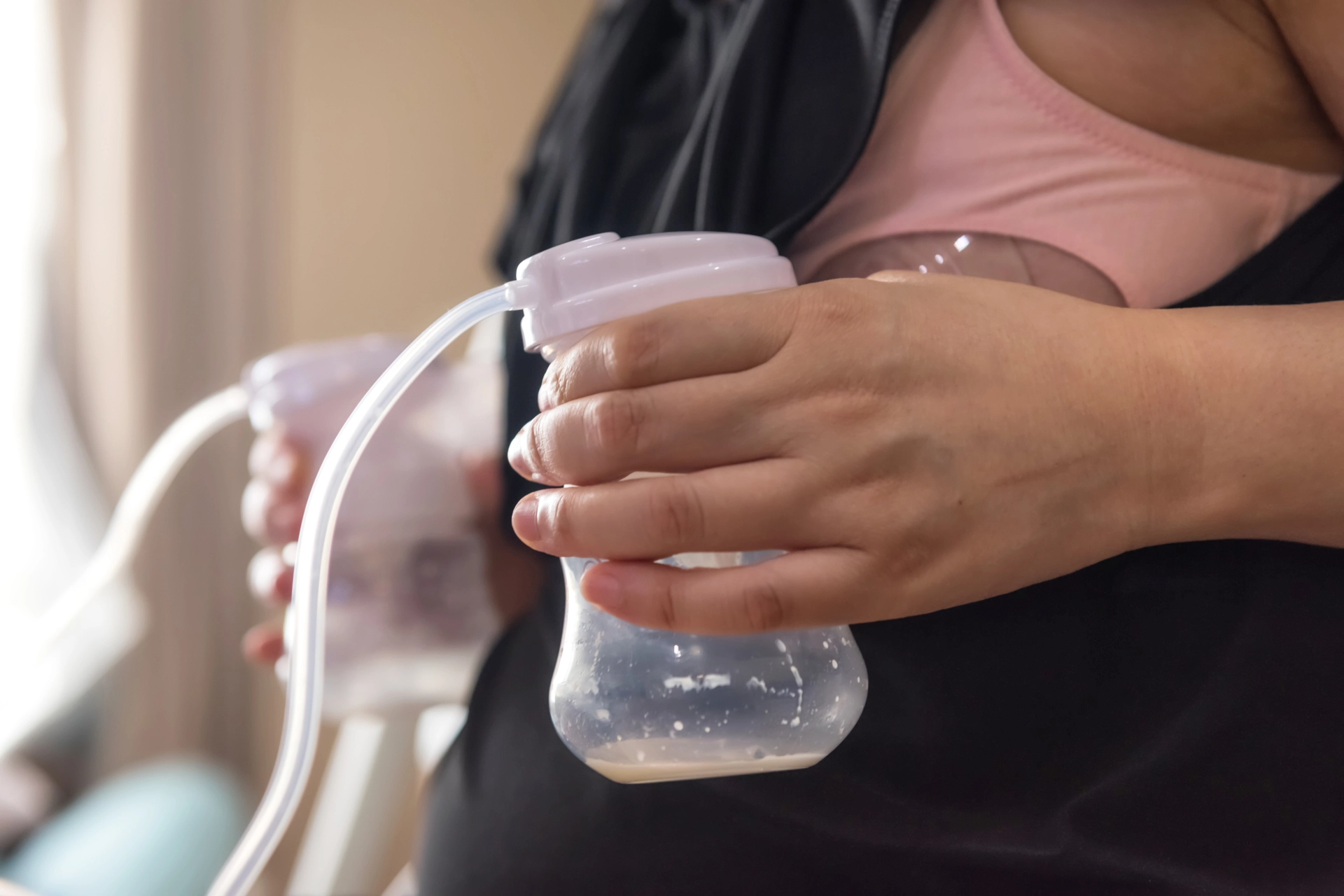
Determined to do what she could, Chloe committed to expressing breast milk while her body was still recovering. Her hands were swollen from high blood pressure, and at 33 weeks it was slow and difficult to produce milk.
“Every millilitre was an achievement. Breastfeeding felt like the one way I could try to make things right and give Darcy the best possible start.”
Darcy was too small to latch for the first few weeks, and when breastfeeding did begin it required patience and persistence. Chloe used nipple shields for several months and continued expressing alongside feeds.
Over time, her determination led to an oversupply of milk, allowing Chloe to donate 18 litres to the Red Cross Lifeblood Milk Bank.
“It’s something I’m extremely proud of,” she said.
Dr Laura Klein, National Milk Research Leader at Australian Red Cross Lifeblood says the selflessness of donors like Chloe makes a life-changing impact.
"Donated breast milk provides vital nutrition for premature babies, helping them get the best possible start to life when their own mothers are still establishing a supply. It’s more than just nourishment—it’s a gift from one family to another that offers hope during challenging times,” Dr Klein said.
Chloe’s experience is shared by thousands of families across Australia each year whose babies are born too soon, and it reflects the reality that underpins the work of the Centre for Research Excellence in Human Milk Nutrition for Preterm Infants.
Led by the SAHMRI Women and Kids Theme and funded by the National Health and Medical Research Council (NHMRC), the Centre was established to improve how human milk is used to support preterm babies, while also strengthening the systems that support families during one of the most vulnerable periods of their lives. This includes supporting parents to breastfeed as well as promoting evidence-based use of donated breast milk (donor milk).
Professor Alice Rumbold, who leads the Centre, says lived experience like Chloe’s has shaped the Centre’s priorities from the outset.
“Parents consistently tell us that breastfeeding matters to them but establishing feeding can be one of the most stressful parts of caring for a preterm baby,” Prof Rumbold said.
“Our focus is on generating evidence that leads to clearer guidance, better support and real improvements in care.”
Since its inception, the Centre for Research Excellence has built a nationally coordinated research program focused on improving lactation care and resources for families with a preterm baby, strengthening access to donor milk, and ensuring feeding practices are informed by robust, practical evidence.
The Centre also supports emerging researchers with grant funding to address critical gaps in human milk nutrition for preterm infants. Projects span laboratory science, clinical practice and health system decision making.
Current studies are examining how the nutritional composition of donor human milk can vary and what this means for optimising feeding for preterm babies, while other work is focused on improving evidence and guidance for managing low milk supply, helping clinicians and families make safer, more informed decisions.
Researchers are also exploring ways to improve the breastfeeding experience for mothers in neonatal intensive care, including personalised breast pump fitting to increase comfort and effectiveness, and investigating whether breast milk plays a role in supporting the viability of probiotics used in the care of preterm babies.
Chloe's experiences are continuing to shape the CRE research program, with her now a member of its consumer advisory board. She says being aware of all the work happening in the space is hugely reassuring.
“When you have a premature baby, you rely so heavily on medical teams and systems,” she said.
“Knowing there are people actively working to improve feeding support and care for future families makes it feel less frightening.”
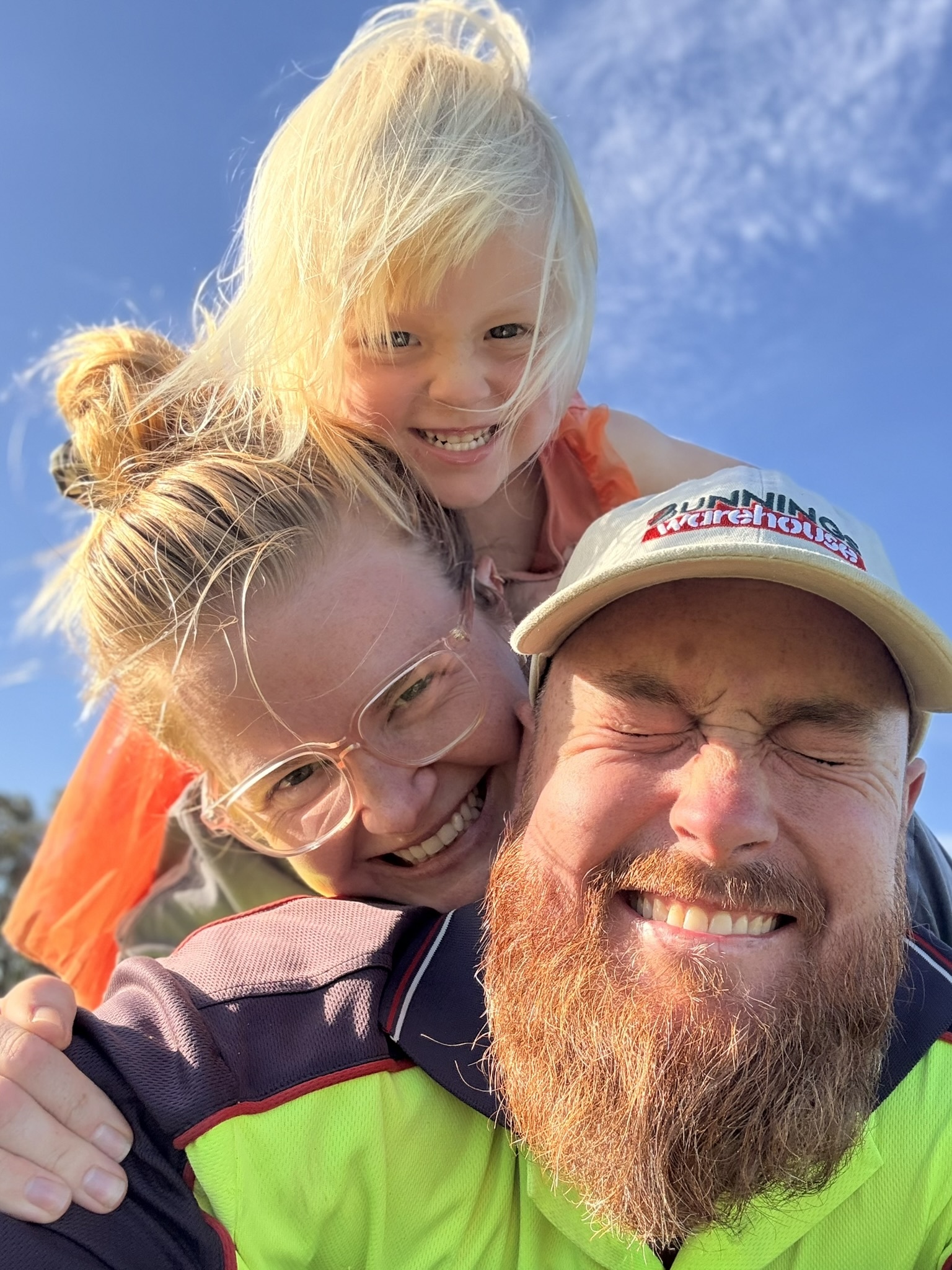
Darcy is now three years old. She’s still small for her age, but Chloe describes her as vibrant, determined and full of personality.
“We joke that she arrived early because she’s such a go getter, she just couldn’t wait to be out in the world!”
Contribute to research at SAHMRI
Donate todayRelated Articles




SAHMRI is located on Kaurna Country. We pay respects to the Kaurna people of the Adelaide Plains and to all Aboriginal and Torres Strait Islander people. We are committed to embracing knowledge and culture as we continue our working journey to incorporate Aboriginal health research across all of our themes and further reconciliation.
Read more"Tirki nguta tappa tangka marninithi"
(Learning and knowledge are the pathway to alter the mind)
- Uncle Lewis Yerloburka O’Brien, Kaurna Elder