
Looking forward, looking back
Honouring the past by investing in the future.
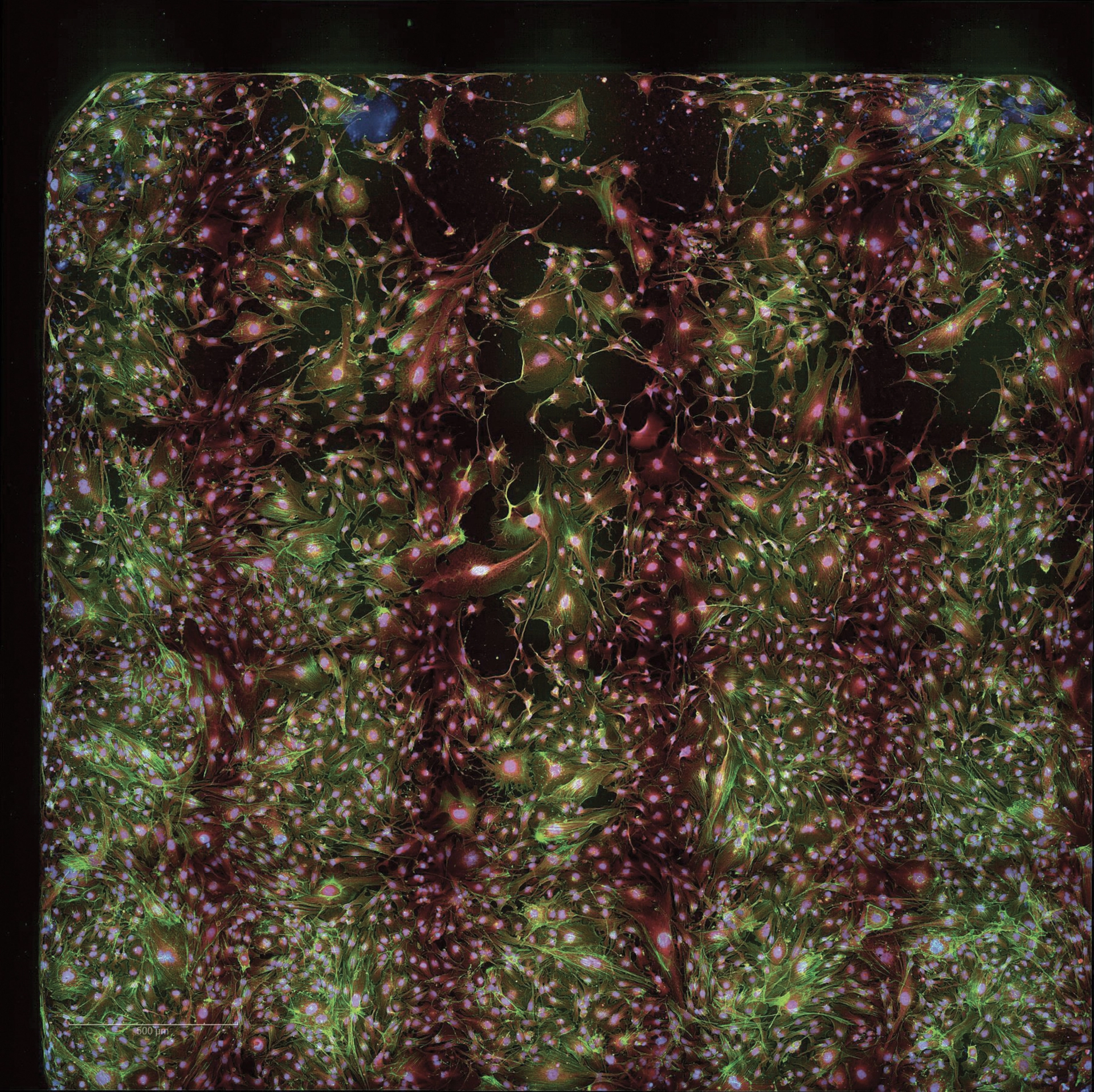
The Wyatt Trust is one of SAHMRI’s largest benefactors, donating more than $2 million in grant funding since the Institute’s inception.
Dr William Wyatt (1804-1886) was a surgeon by training who went on to hold many official positions during his lifetime in Adelaide. When his children pre-deceased him and his wife Julia, he established the Trust that now bears his name, which has distributed more than $75 million to causes across South Australia.
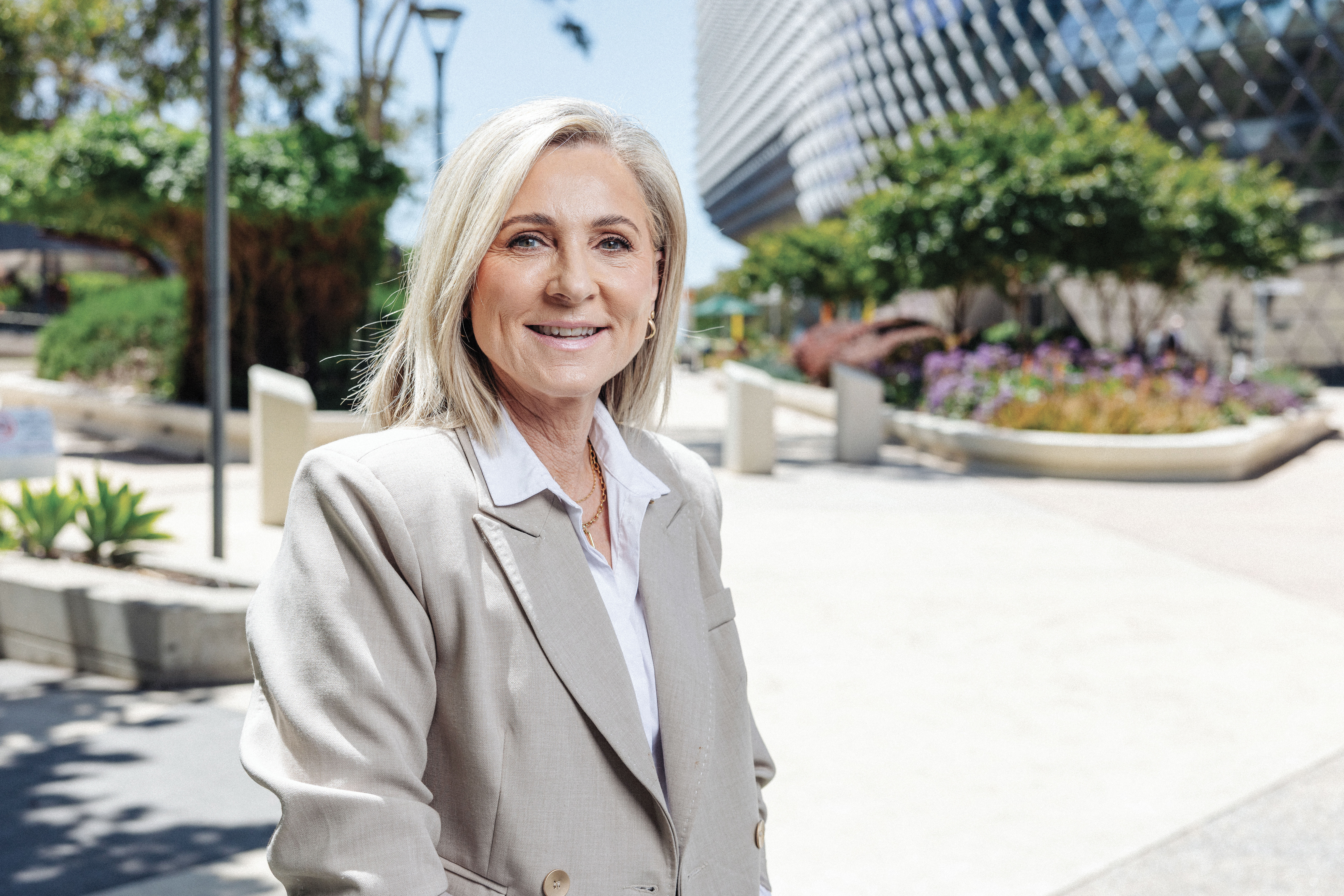
“Dr Wyatt’s original intent to support South Australians experiencing poverty is what still drives our grant making and operations today,” said Stacey Thomas, Chief Executive Officer.
When SAHMRI was established, the Wyatt Trust initially took an interest in the Resilient Futures program — a three year project aimed at building life-long resilience and wellbeing skills in young people within disadvantaged communities.
This funding was in collaboration with the James and Diana Ramsay Foundation, another major SAHMRI supporter. The partnership earned national recognition, receiving Philanthropy Australia’s Best Large Grant Award in 2016.
“Supporting translation of research that would have a practical and tangible impact on South Australians was appealing to the Wyatt Trust,” said Stacey. “Our partnership with the James and Diana Ramsay Foundation was born out of a desire to work with partners that shared similar values and principles, and Resilient Futures provided such an opportunity.”
The Wyatt Trust then lent support to SAHMRI’s Wardliparingga Aboriginal Health Equity Theme. The Cultural Pathways Program was developed in response to community-identified needs for more holistic, culturally centred care addressing social and emotional wellbeing and the social determinants of health such as housing, food security, transport, cultural connection and mental health.
The Program implemented a structured and culturally grounded framework involving goal setting, empowerment, and coordinated referral pathways to respond to the needs of Aboriginal and Torres Strait Islander communities and support individuals.
During the 1830s Dr Wyatt was appointed the third interim protector of the Aborigines in South Australia. The protector’s role was to enforce the Aboriginal Protection Act, which gave powers to forcibly remove Aboriginal people, including children, without reason and place them onto reserves or places controlled by the State. This instigated a long and chequered history between Dr Wyatt’s legacy and the Aboriginal community, which in recent years has been addressed by the Wyatt Trust through a truth-telling project undertaken by Dr Jennifer Ampetyane Caruso.
“The Wyatt Trust’s journey towards reconciliation is ongoing; we are constantly learning and striving to work in ways that acknowledge our past while looking at how we can do better in the future,” said Stacey.
-
If you'd like to know more about giving to SAHMRI from your foundation, trust or PAF please contact
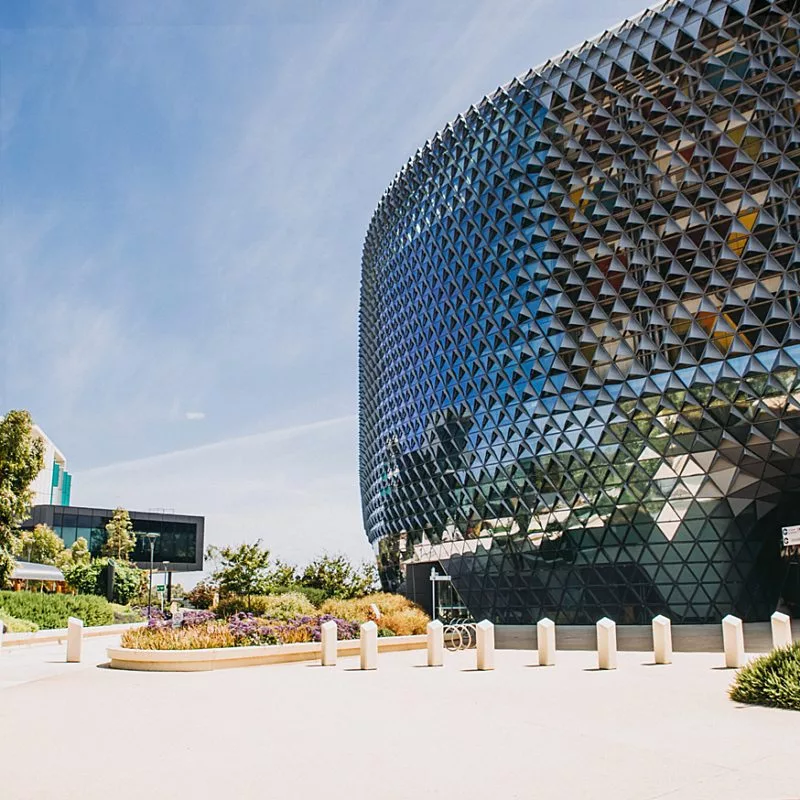
Read more stories like this in our 2025 Impact Report
Take me there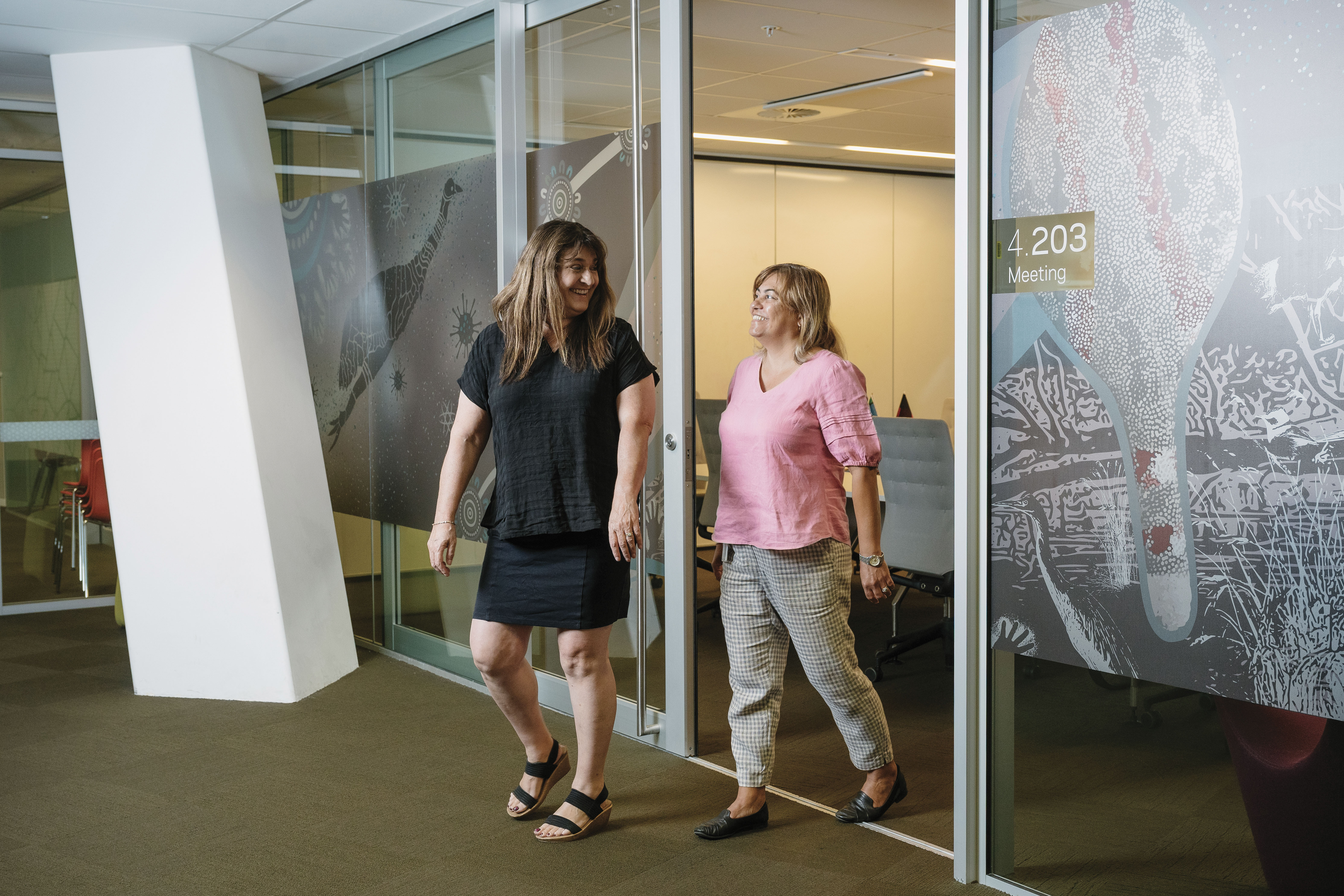

SAHMRI is located on Kaurna Country. We pay respects to the Kaurna people of the Adelaide Plains and to all Aboriginal and Torres Strait Islander people. We are committed to embracing knowledge and culture as we continue our working journey to incorporate Aboriginal health research across all of our themes and further reconciliation.
Read more"Tirki nguta tappa tangka marninithi"
(Learning and knowledge are the pathway to alter the mind)
- Uncle Lewis Yerloburka O’Brien, Kaurna Elder