
Conversations on culture
Research is stronger when it is informed by the communities it seeks to serve.
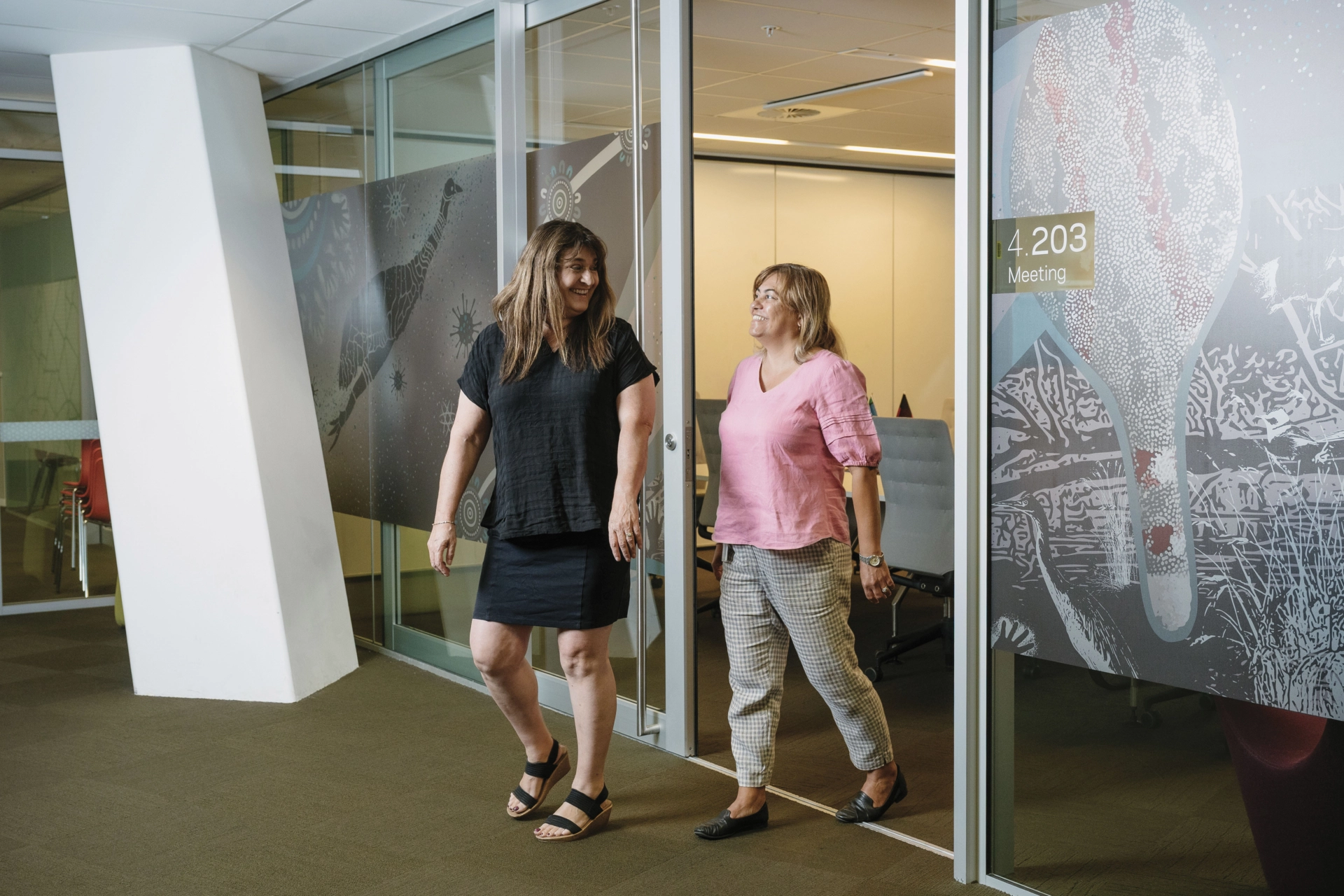
For thousands of years, Aboriginal people gathered at Adelaide’s Karrawirra Parri (River Torrens) to share knowledge. Today, on those same riverbanks, SAHMRI’s Wardliparingga Aboriginal Health Equity theme leads research that centres Aboriginal knowledge and ways of doing, to improve health care not only for Aboriginal people, but for all Australians.
Meaning “house river place” in the Kaurna language, and also reflecting a Kaurna story of the Milky Way, Wardliparingga is the only dedicated Aboriginal health research unit embedded in the very conception of an Australian health and medical research institute.
This places the principles and practices of Aboriginal health research at SAHMRI’s core. Leading its charge are two proud Aboriginal women – Associate Professor Kim Morey and Professor Odette Pearson.
For Kim, an Anmatyerre and Eastern Arrernte woman recognised for her work in chronic disease and policy, and Odette, an Eastern Kuku Yalanji and Torres Strait Islander woman with experience in health services research, full Aboriginal involvement is central to creating culturally safe and accessible hospitals, clinics, and aged care services.
“For anybody, the healthcare system is big and difficult to navigate. There are unfamiliar environments, many different and unconnected services and programs, interpersonal challenges like good communication between healthcare providers and patients – it can all be very foreign,” said Odette.
“Even more so for Aboriginal people, because the Australian health system was not built to provide culturally appropriate models of care. It means that healthcare is not always accessible, safe, or meets the needs of Aboriginal and Torres Strait Islander people.”
“The number one way we achieve improved models of care is by actually involving Aboriginal and Torres Strait Islander people in their development,” she said.
Successful health models are those incorporating Aboriginal and Torres Strait Islander peoples’ views on social determinants of health, social and emotional wellbeing, and cultural determinants of health, through their involvement and decision making.
Involving community at every level of research benefits more than Aboriginal groups, said Odette. “The community centred principles that we use in Aboriginal and Torres Strait Islander research are beneficial for all people.”
“It means that research is responding to a community priority, is informed by lived experiences, can develop models of care or generate evidence responsive to community needs and aspirations. And that translates into more benefit and richer outcomes.”
Kim added that their work has directly transformed the health system. “Our evidence has been used to develop models of care in hospitals and primary care. It’s informed workforce models, with an increase in Aboriginal health practitioners in chronic health conditions affecting Aboriginal populations. And it’s prompted investment in workforce training so all practitioners can respond more effectively to people of different cultures.”
“Having an Aboriginal workforce is vitally important to the delivery of healthcare and to leading research, bringing a unique lived experience, knowledge and communication to the work that you can’t get otherwise.”
Where do they see the most significant impact in the future? Kim answered without hesitation, “I’d be investing in our next generation, because that’s where we’ll get the biggest impact. Working across systems – health, housing and education.”
Philanthropic support continues to boost Wardliparingga’s research, with donors including LK Law, Fay Fuller Foundation, Wyatt Trust, Intract Australia, Peter Kittle Toyota, McMahon Services and CMV Foundation Insasmuch.
Kim and Odette, and the workforce they lead, are rewriting the narrative of health equity. By elevating Aboriginal leadership and designing inclusive systems, they are ensuring every Australian - regardless of background - can access safe, effective care. And with continued support, Wardliparingga will keep driving systemic change, ensuring health equity becomes a reality for all.
-
If you'd like to know more about giving to SAHMRI please contact
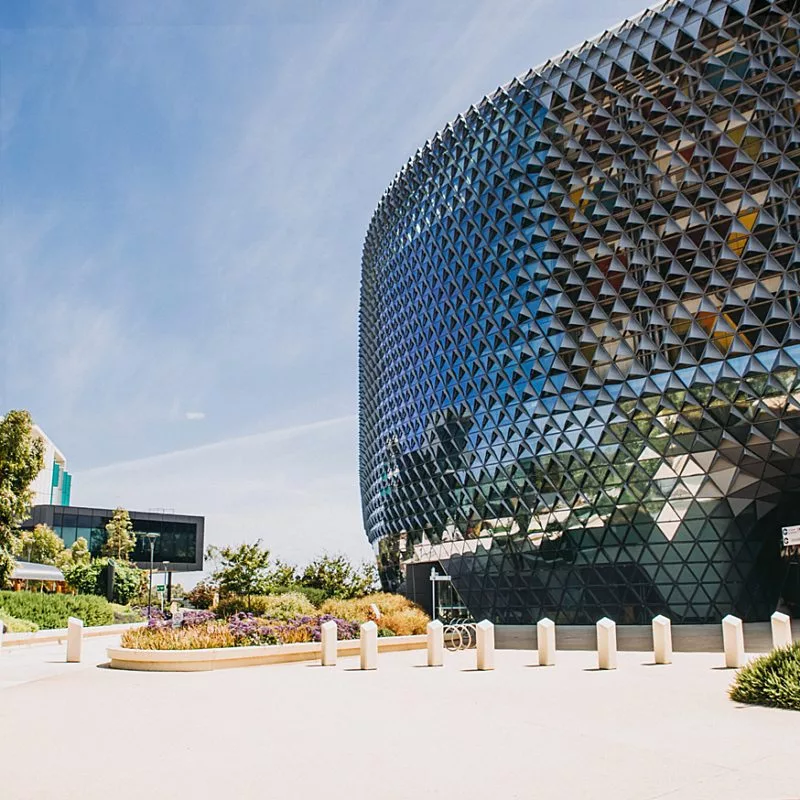
Read more stories like this in our 2025 Impact Report
Take me there

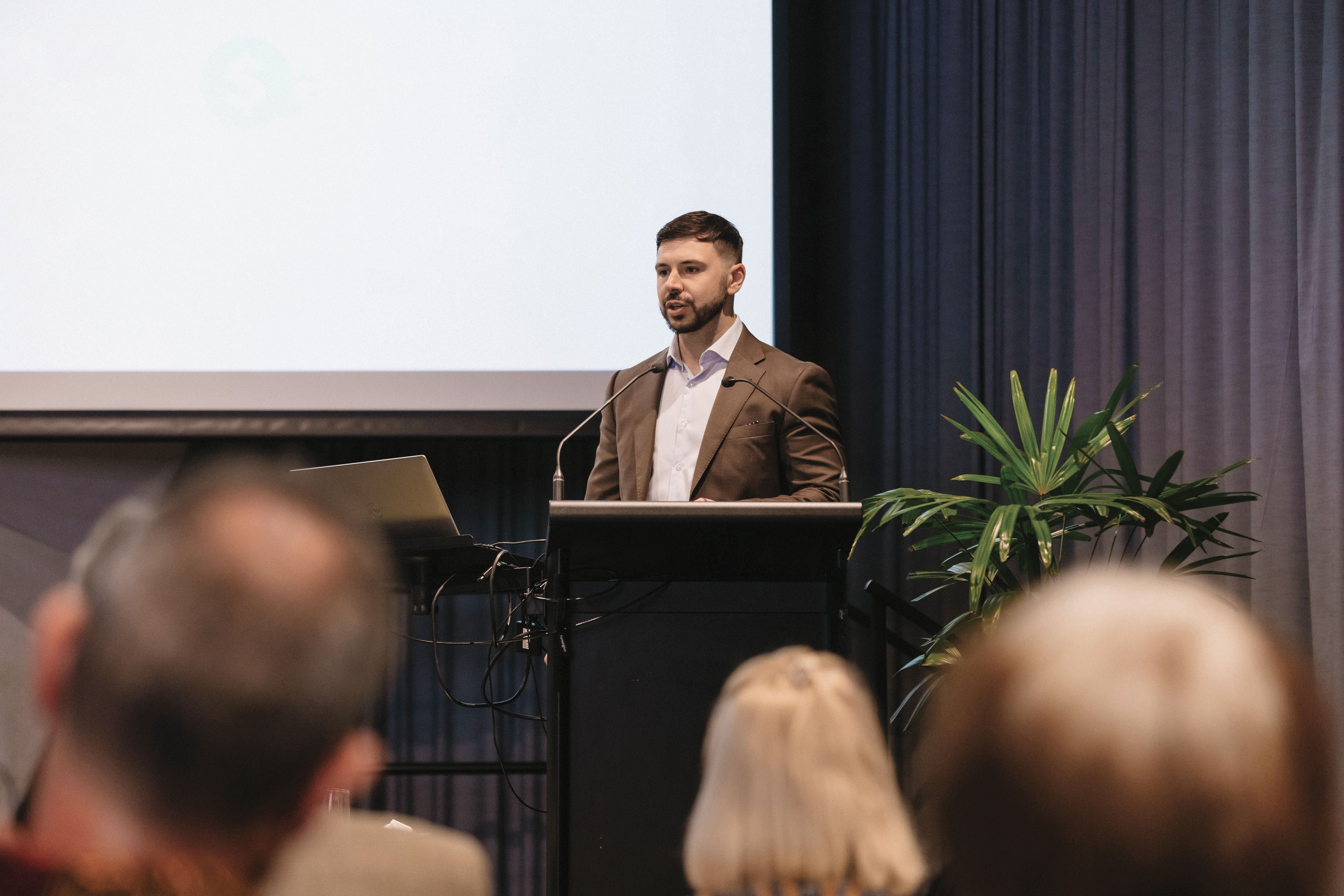

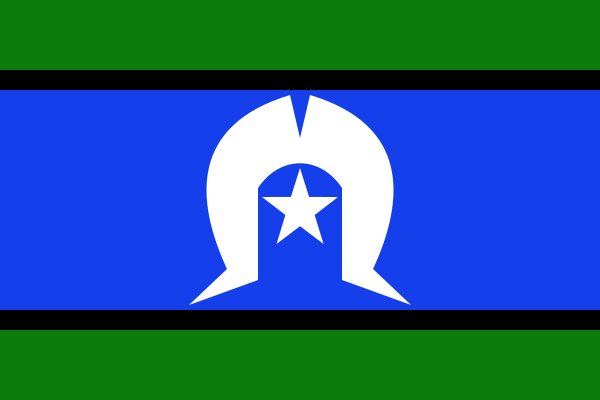
SAHMRI is located on Kaurna Country. We pay respects to the Kaurna people of the Adelaide Plains and to all Aboriginal and Torres Strait Islander people. We are committed to embracing knowledge and culture as we continue our working journey to incorporate Aboriginal health research across all of our themes and further reconciliation.
Read more"Tirki nguta tappa tangka marninithi"
(Learning and knowledge are the pathway to alter the mind)
- Uncle Lewis Yerloburka O’Brien, Kaurna Elder