
The best start in life
Creating the conditions for healthier lives from the very beginning.
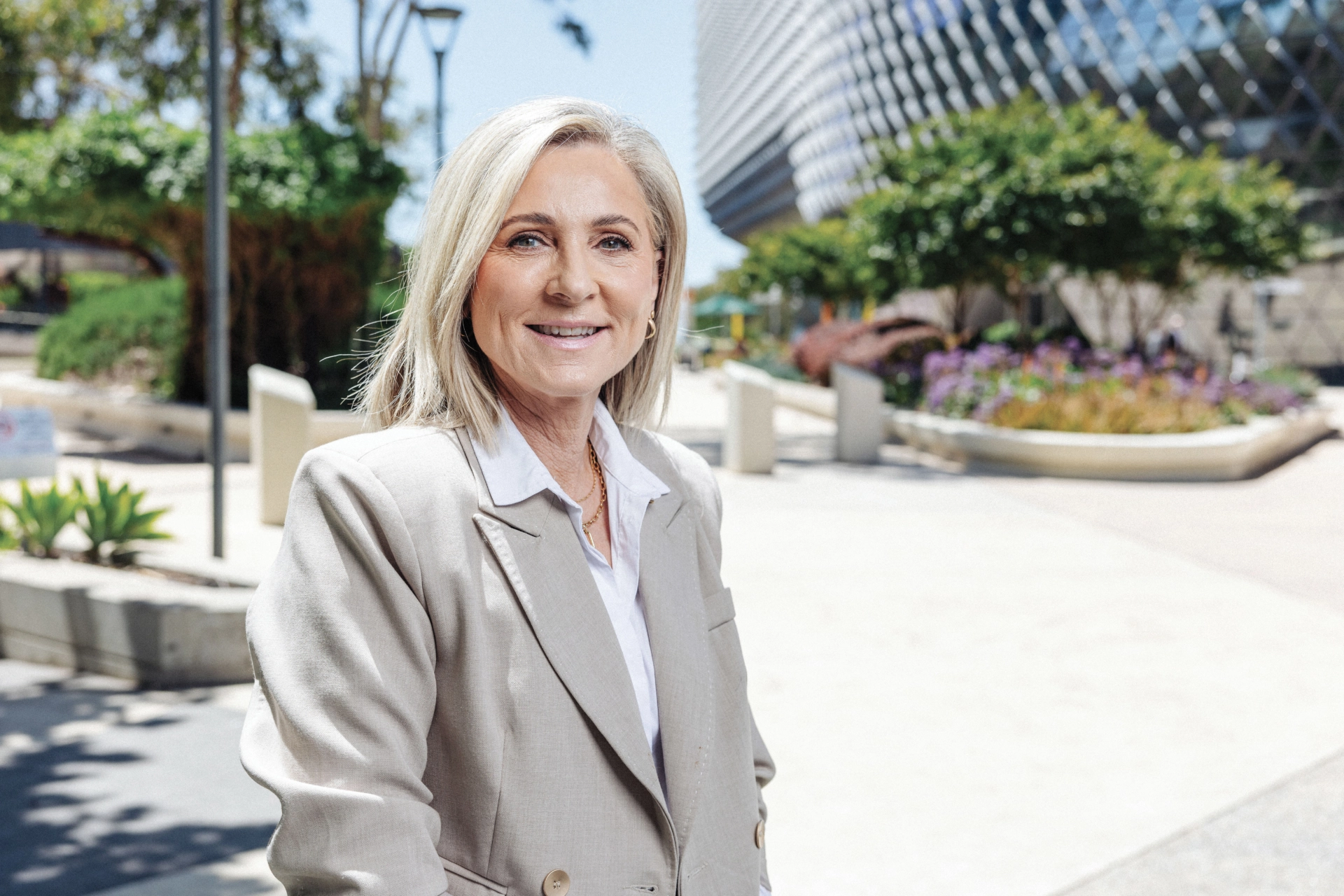
Babies across Australia will be more likely to be born at full term and healthier thanks to SAHMRI research into omega-3 fatty acids.
Every year, thousands of Australian families experience preterm birth. Babies born early miss vital time to develop and face lengthy hospital stays, higher risks of complications and, tragically, death.
SAHMRI Executive Director Professor Maria Makrides has devoted decades of research to antenatal care. Leading a team including Professor Robert Gibson, Associate Professor Lisa Yelland and Dr Karen Best, they found that omega-3 supplements can significantly reduce the risk of preterm birth in women with low omega-3 levels.
Yet, until recently, there was no pathway in the health system to identify women low in omega-3.
SAHMRI’s world-first Omega-3 Test-and-Treat Program, led by Dr Best (Pregnancy and Newborn Health Program Lead) and delivered in partnership with SA Pathology, is changing that.
Since 2021, free omega-3 testing combined with tailored supplementation advice has been embedded into routine antenatal care in South Australia, translating research science into everyday practice.
More than 33,000 pregnant women have been tested to December 2025, with 17 per cent identified as having low omega-3 receiving targeted supplementation advice to help protect their babies.
Confirmation that the Omega-3 Test-and-Treat Program is feasible and ready for national rollout was published by the team in the Medical Journal of Australia in 2025.
“While the Test-and-Treat program is now part of routine care here in South Australia, we’ve also seen strong interest in the program nationally and internationally,” said Dr Best.
David Cox, SA Pathology’s Directorate Manager, Genetics and Molecular Pathology, said, “This collaboration reflects SA Pathology’s commitment to providing high-quality, evidence-based diagnostic services that support maternal health. We want to increase access to the Program by engaging with health and research organisations across Australia and would like to see it added to the Medicare Benefits Schedule.”
The tangible benefits of the South Australian program have been a catalyst for the Program’s national expansion. Associate Professor Ecushla Linedale (Director of Translation and Implementation) is leading the national scale-up efforts and strengthening translation pathways to support wider adoption.
“Our vision is clear – to give every baby the best start in life by making omega-3 testing and advice a standard part of maternity care Australia-wide,” she said.
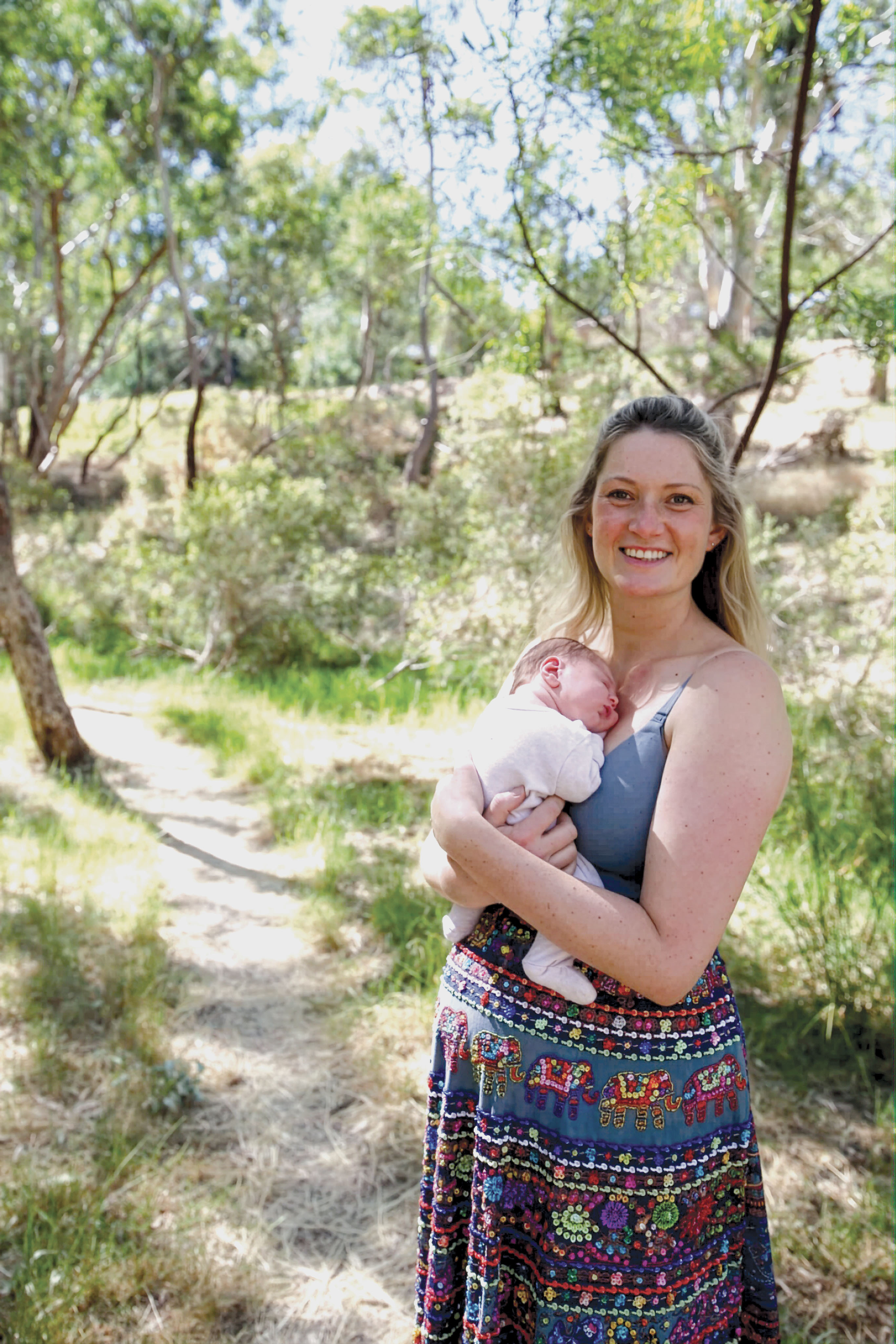
For new mum Amy Christie, the program made a personal difference.
“I consider myself very healthy but was unaware of any risks of being low in omega-3,” said Amy. “My doctor checked my omega-3 levels as part of my routine pregnancy blood testing. When I received the results, I found out I was low and started supplementing.”
Baby Amber was born healthy and full-term at the end of 2025.
“I am so grateful I was able to learn about the importance of omega-3 in pregnancy,” said Amy.
As well as the crucial partnership with SA Pathology, the Omega-3 Test-and-Treat Program has received support from other organisations including Health Translation SA, the Thyne Reid Foundation and The Hospital Research Foundation Group.
-
If you'd like to learn more about giving to SAHMRI please contact

Read more stories like this in our 2025 Impact Report
Take me there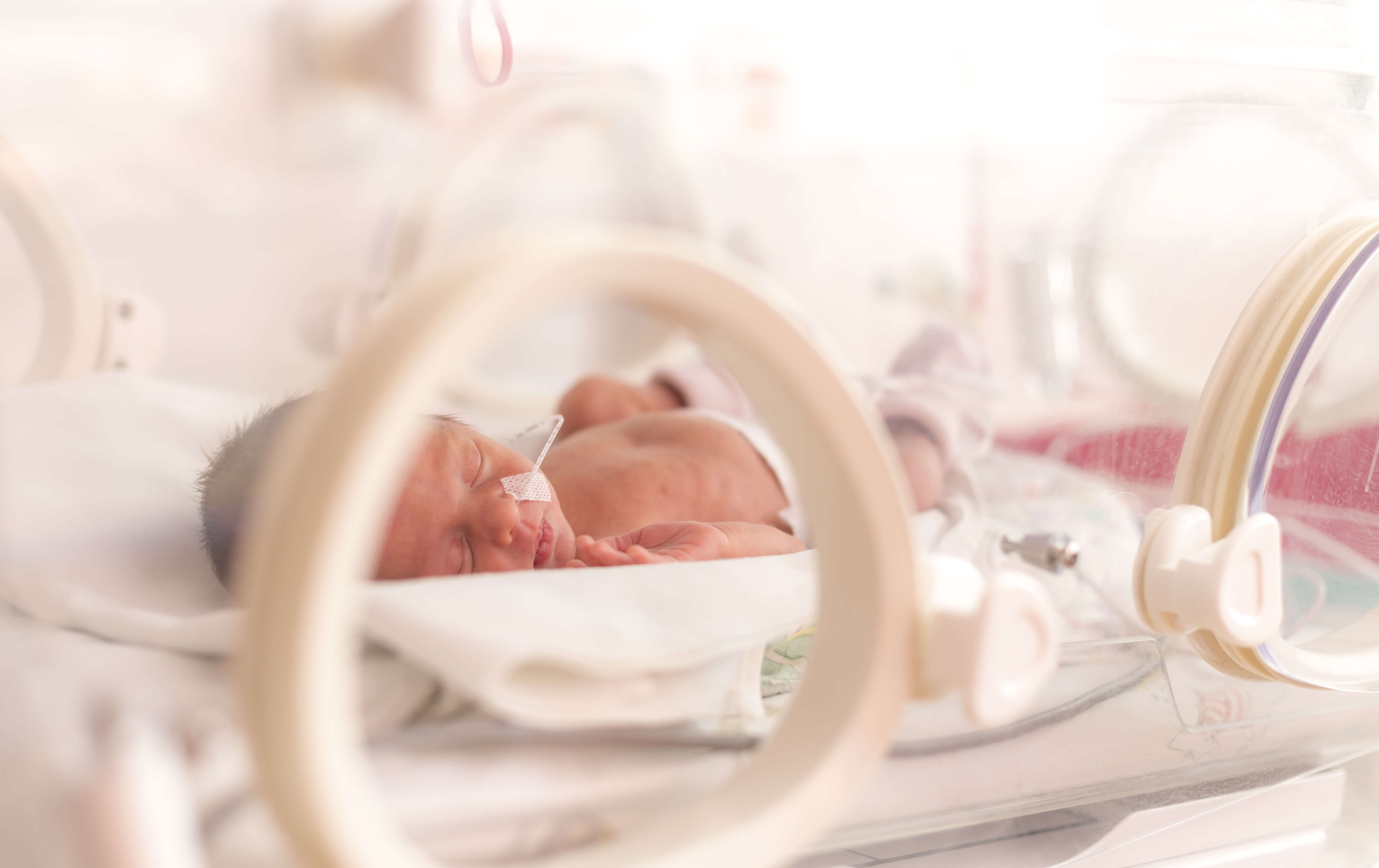



SAHMRI is located on Kaurna Country. We pay respects to the Kaurna people of the Adelaide Plains and to all Aboriginal and Torres Strait Islander people. We are committed to embracing knowledge and culture as we continue our working journey to incorporate Aboriginal health research across all of our themes and further reconciliation.
Read more"Tirki nguta tappa tangka marninithi"
(Learning and knowledge are the pathway to alter the mind)
- Uncle Lewis Yerloburka O’Brien, Kaurna Elder