
Grants to advance towards better treatments for chronic pain
08 Jan 2026
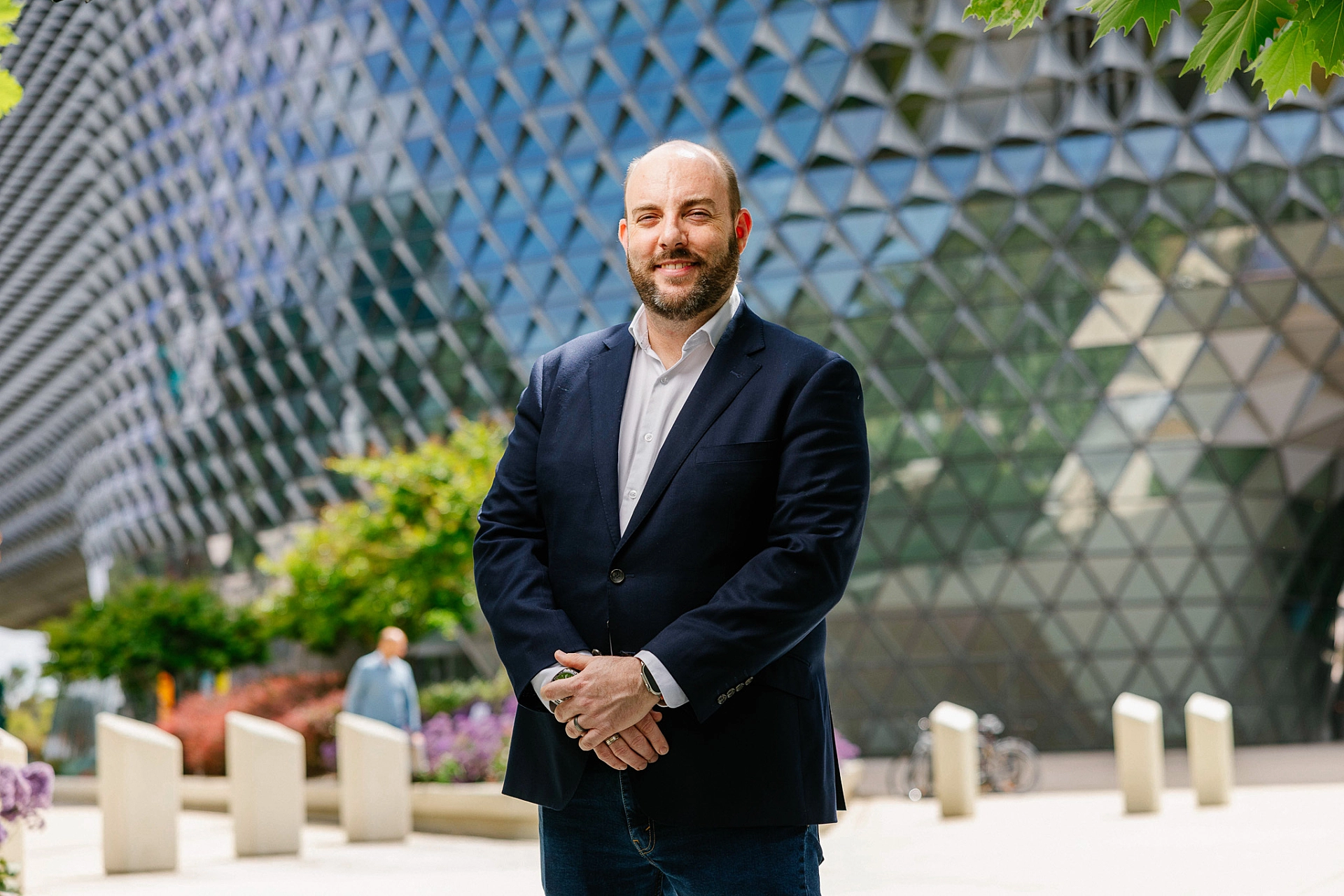
Professor Stuart Brierley has been awarded two National Health and Medical Research Council (NHMRC) grants to support the development of new, targeted treatments for chronic pain conditions, including irritable bowel syndrome (IBS).
The funding includes a Development Grant to advance a first-in-class therapy for chronic visceral pain in irritable bowel syndrome (IBS).
The project will refine orally delivered oxytocin receptor drugs that act directly on the colon’s pain-sensing nerve fibres to reduce ongoing pain.
“IBS affects quality of life for millions of people and there are currently few effective pain treatments,” Prof Brierley said.
“This funding represents an important step toward developing a therapy that directly targets the drivers of pain rather than masking symptoms.”
IBS is a common gastrointestinal disorder characterised by persistent abdominal pain and altered bowel habits, with limited treatment options for managing pain itself. By targeting the sensory nerves that transmit pain signals from the gut to the brain, the research aims to deliver a more precise and effective approach to treatment.
In addition to the Development Grant, Professor Brierley also leads an NHMRC-funded international collaboration supported through the Network of European Funding for Neuroscience Research (NEURON), which brings together multidisciplinary teams to tackle chronic pain from multiple angles.
The project focuses on building our understanding of how chronic pain develops and persists, with the goal of identifying new biological targets that could lead to better therapies for people living with long-term pain conditions.
Professor Brierley says the collaboration is critical to accelerating progress towards effective treatment.
“By working with leading researchers across Europe, we can combine expertise, share data and move promising discoveries toward real-world impact more quickly,” he said.
The grants form part of the NHMRC’s broader commitment to strengthening health translation and supporting innovative research that improves outcomes for patients, particularly in areas of significant unmet clinical need.
Support important research like this
Donate nowRelated Articles






SAHMRI is located on Kaurna Country. We pay respects to the Kaurna people of the Adelaide Plains and to all Aboriginal and Torres Strait Islander people. We are committed to embracing knowledge and culture as we continue our working journey to incorporate Aboriginal health research across all of our themes and further reconciliation.
Read more"Tirki nguta tappa tangka marninithi"
(Learning and knowledge are the pathway to alter the mind)
- Uncle Lewis Yerloburka O’Brien, Kaurna Elder