
Exploring the power of AI in action at the SAHMRI Datathon
18 Mar 2026
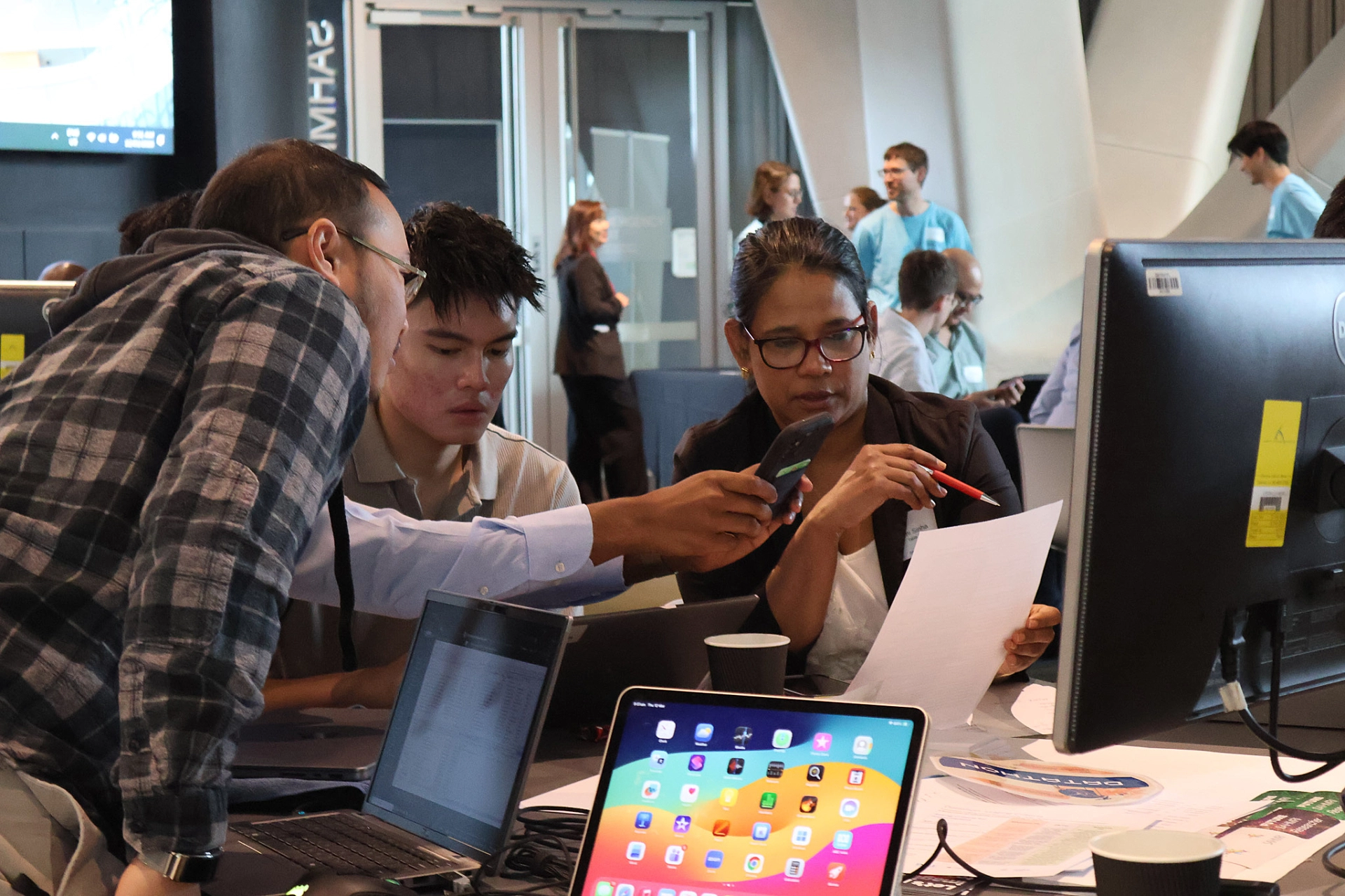
What’s the future for artificial intelligence and its integration into the analysis of complex medical and registry data?
That was the challenge posed to researchers, clinicians, students and data analysts alike at this year’s SAHMRI Registry Centre Datathon, which returned for its second instalment, bigger and better in 2026.
Held in the SAHMRI auditorium, the Datathon put leaders from government, registries, research, clinical practice, policy and the community into multidisciplinary teams and challenged them to work intensively with real-world registry datasets against the clock.
SAHMRI Registry Centre Strategic Director, Tamara Hooper says the broad spectrum of expertise is a key strength of the event.
“Participants included clinicians, researchers, epidemiologists, statisticians, data scientists, registry managers, health service staff, and students, all working together,” she said.
“This diversity allows teams to approach problems from multiple perspectives and apply a range of skills across everything from analytics to research and presentation design.”
After selecting a specific research question, the teams immersed themselves in the data collected from health systems across Australia, working towards producing meaningful analysis and presenting clear findings by the end of the day.
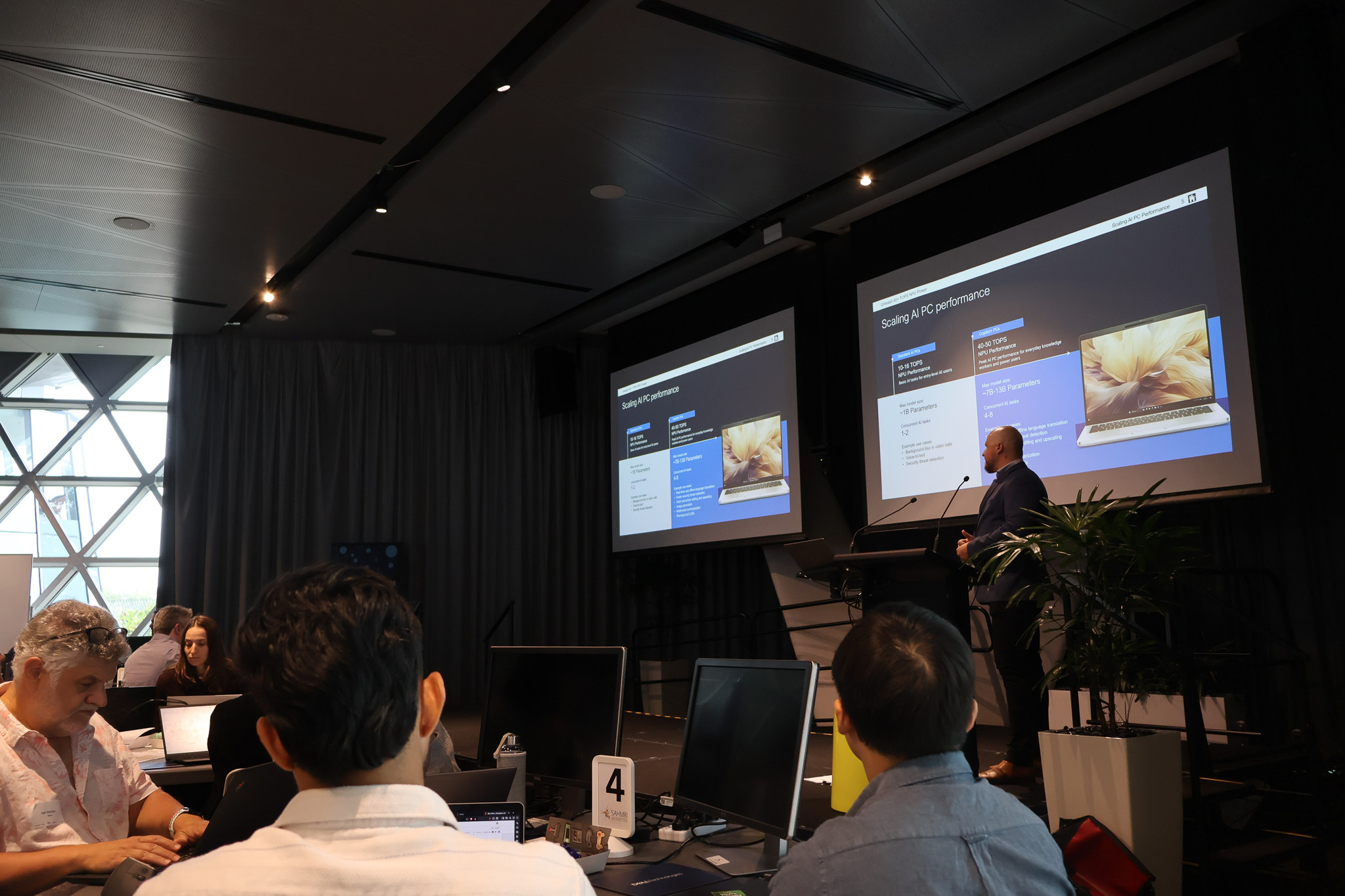
As health and medical datasets continue to grow in scale and complexity, the Datathon provides a hands-on opportunity for biostatisticians, researchers and medical workers to learn new and advanced data analysis techniques, put new concepts into practice, and explore how AI can support faster, more efficient research without displacing the expertise and judgement of researchers.
Chris Tottman, representing the event's major sponsor, Dell Technologies, says the real value of AI lies in how it can optimise time spent on familiar processes.
“It’s not about replacing what researchers do, it’s about creating significant time savings in the exact same process,” he said.
“If AI can help health and medical professionals work more efficiently, that ultimately helps drive better outcomes.”
Dr Christopher Davies, Lead Biostatistician at the Australia and New Zealand Dialysis and Transplant (ANZDATA) Registry, says the event offers a powerful learning experience for participants at all career stages.
“Events like this help people better understand the potential of registry data, and show how quickly insights can be generated when the right people and tools are brought together,” Dr Davies said.
“The intensity of the day and the collaboration involved is what makes it such a powerful learning experience.”
The complexity of integrating fit-for-purpose AI safely and effectively across SAHMRI is a puzzle the institute’s ICT team is working to fit together.
Acting Head of ICT, Colin Gould, says early conversations about AI were shaped by understandable concerns around privacy, security and data sovereignty.
“People are using AI personally and they want to use it professionally, whether we’re prepared for it or not,” he said.
“Our challenge has been working out how to let people experiment and learn, while keeping data secure and within our environment.”
By integrating AI tools within SAHMRI’s secure systems, researchers can explore new capabilities without risking sensitive data leaving the organisation.
Gould also emphasised that AI does not remove the need for human oversight or accountability.
“It still requires people to use it, to question it and to decide whether the outputs make sense,” he said.
This balance was evident throughout the Datathon, where AI supported tasks such as data exploration, coding assistance and summarisation, while participants remained responsible for validating findings and drawing conclusions.
The momentum generated during the Datathon flowed into the SAHMRI Registry Centre Annual Symposium held in the SAHMRI Auditorium the following day.
The symposium broadened the conversation, bringing together registry leaders, researchers, policymakers and community representatives to examine how advanced analytics, including AI, can drive equity, quality improvement and system-level change.
Ms Hooper says a highlight of the event was the keynote address from Australia’s Chief Medical Officer, Professor Michael Kidd AO.
“Having Professor Kidd as our keynote speaker was a tremendous privilege and highlights the growing national importance of clinical quality registries,” she said.
“His presentation underscored the role that high-quality data plays in informing national health policy, improving clinical practice, and strengthening the health system.”
The SAHMRI Registry Centre Datathon and Symposium speak to the current interest in the potential for integrating AI into the health and medical field.
By combining hands-on experimentation, strong governance and multidisciplinary collaboration, SAHMRI is opening the door for staff to discover how best to use AI as a tool to complement their mission of creating better health outcomes for all.
Learn more about SAHMRI's Registry Centre
Click hereRelated Articles


SAHMRI is located on Kaurna Country. We pay respects to the Kaurna people of the Adelaide Plains and to all Aboriginal and Torres Strait Islander people. We are committed to embracing knowledge and culture as we continue our working journey to incorporate Aboriginal health research across all of our themes and further reconciliation.
Read more"Tirki nguta tappa tangka marninithi"
(Learning and knowledge are the pathway to alter the mind)
- Uncle Lewis Yerloburka O’Brien, Kaurna Elder