
Could microbiome matching make stem cell transplants safer?
06 Oct 2026
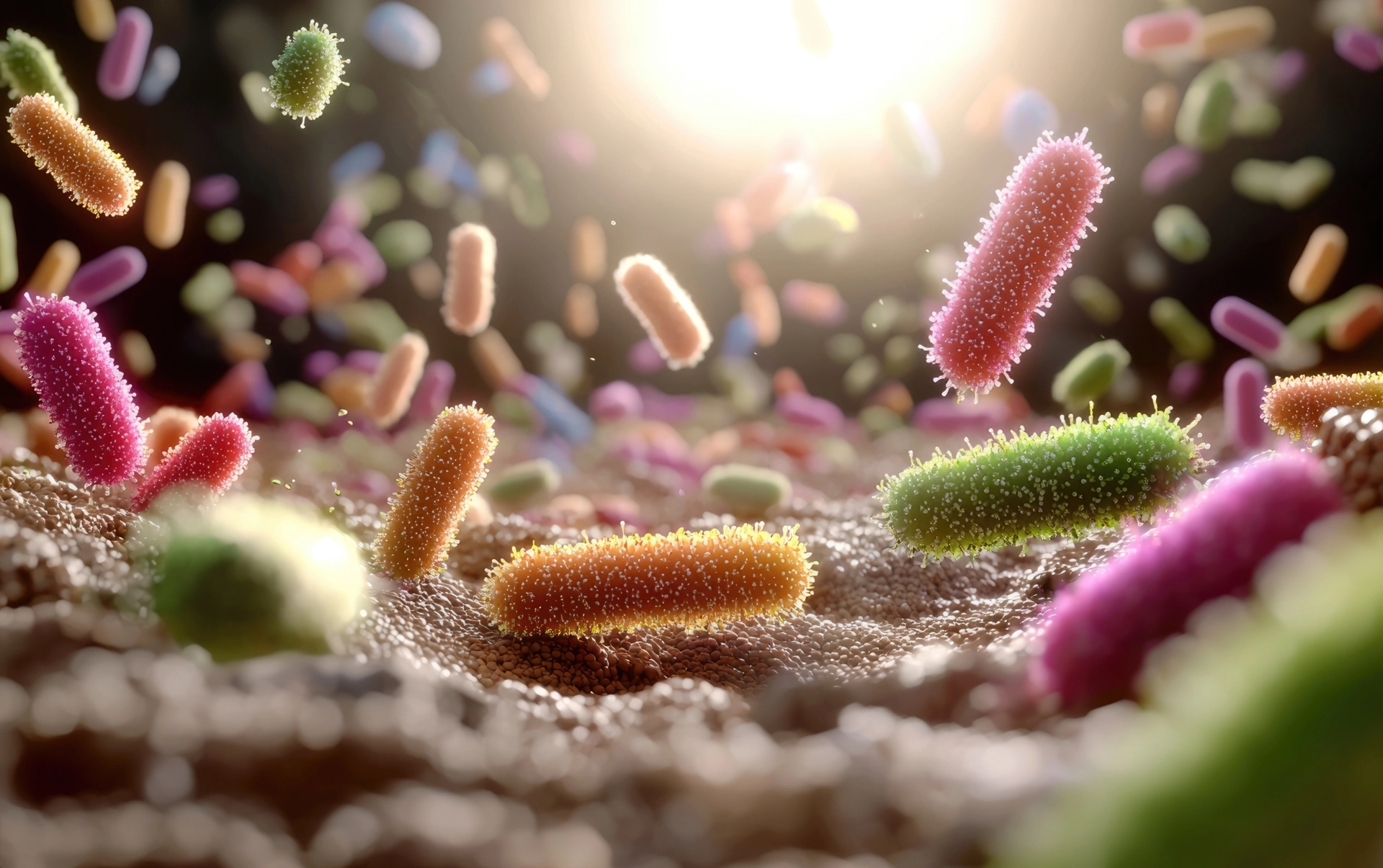
Adelaide researchers are investigating whether an overlooked form of biological compatibility could help prevent one of the most serious complications of stem cell transplantation.
For many people with blood cancer, an allogeneic stem cell transplant can be lifesaving. The treatment involves intensive chemotherapy followed by transplantation of blood-forming stem cells, often from a carefully selected donor, to rebuild the patient's blood and immune system.
Selecting the right donor is critical. Clinicians carefully match donors and recipients to reduce the risk of graft-versus-host disease (GvHD), a major complication that occurs when the donor's newly established immune system recognises the patient's tissues as foreign and attacks them. GvHD can affect multiple organs, is difficult to treat and remains a leading cause of illness and death following transplantation.
But PhD researcher Anna Li, from the Supportive Oncology Research Group, alongside supportive care expert, A/Prof Hannah Wardill and a broader team of haematologists, immunologist, microbiome scientists and GvHD experts, is investigating whether current approaches to donor compatibility overlook another important biological relationship; the microbiome.
believes donor matching may be overlooking an important biological relationship with the microbiome.
The trillions of microorganisms that live in the gut exist in a delicate partnership with the immune system. Over many years, the immune system learns to recognise and tolerate the unique microbial community living within each individual.
Following a donor stem cell transplant, however, patients acquire an entirely new immune system from their donor while largely retaining their own microbiome.
Anna's research asks whether this creates an important but overlooked incompatibility.
"We spend enormous effort matching a stem cell donor to the patient, but we don't currently consider whether the donor's immune system is compatible with the microbial community it suddenly encounters," Ms Li said.
This question is particularly relevant in GvHD, where the gut microbiome is increasingly recognised as an important driver of inflammation and tissue injury. Anna hypothesises that when a donor immune system encounters a microbiome it has never been exposed to, this mismatch may contribute to abnormal immune activation and amplify the severity of GvHD.
Her proposed solution is unconventional but biologically intuitive: transplant the donor's microbiome alongside their stem cells.
Using faecal microbiota transplantation (FMT), microorganisms derived from the stem cell donor could be introduced into the recipient around the time of transplant. The aim is not simply to match donor and patient, but to align the donor-derived immune system with a microbial community it is already programmed to tolerate.
"The idea is that if we're transplanting someone's immune system, perhaps we should also consider transplanting the microbial community that immune system already knows how to live with," Ms Li said.
The research is in its early stages, but if the theory proves correct it could introduce an entirely new way of thinking about donor compatibility. Instead of matching only the donor and recipient, future transplants may also consider matching the microbiome to the new immune system.
Support research like this at SAHMRI
Donate here
SAHMRI is located on Kaurna Country. We pay respects to the Kaurna people of the Adelaide Plains and to all Aboriginal and Torres Strait Islander people. We are committed to embracing knowledge and culture as we continue our working journey to incorporate Aboriginal health research across all of our themes and further reconciliation.
Read more"Tirki nguta tappa tangka marninithi"
(Learning and knowledge are the pathway to alter the mind)
- Uncle Lewis Yerloburka O’Brien, Kaurna Elder