
Care and Connect Pathways
Reconnecting Aboriginal and Torres Strait Islander young people, families, and communities to their cultural, social, and emotional wellbeing with ‘care and connect pathways’ to address intergenerational trauma.
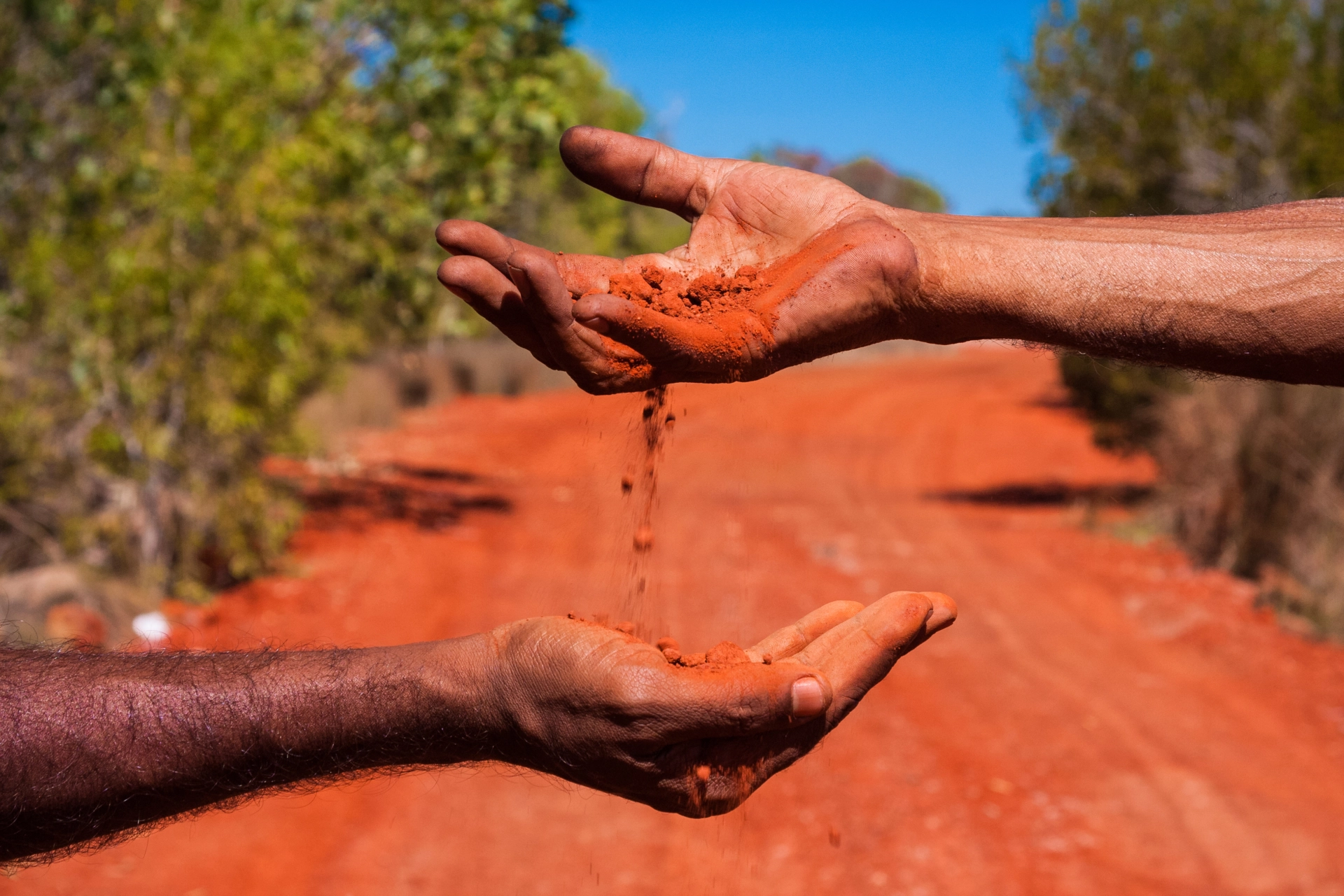
The Care and Connect Pathways project aims to focus on reconnecting Aboriginal and Torres Strait Islander young people, families and communities to their cultural, social and emotional wellbeing with ‘Care and Connect Pathways’ to address intergenerational trauma and health inequalities.
Aboriginal empowerment is an essential driver of personal and cultural strengths, resilience and Social and Emotional Wellbeing (SEWB).
This 5-year study will explore how supporting connections to culture, country and spirituality and key domains of the Social and Emotional Wellbeing (SEWB) framework disrupts the impacts of historical, political and social determinants to improve intergenerational health outcomes.
There are 4 main aims of the study:
Aim 1: Co-develop of novel care and connect pathways
Aim 2: Service delivery to enhance, embed and address implementation barriers
Aim 3: Evaluation of feasibility, cultural acceptability, value and outcomes
Aim 4: Establishing data governance systems and benchmarks for monitoring long-term impacts
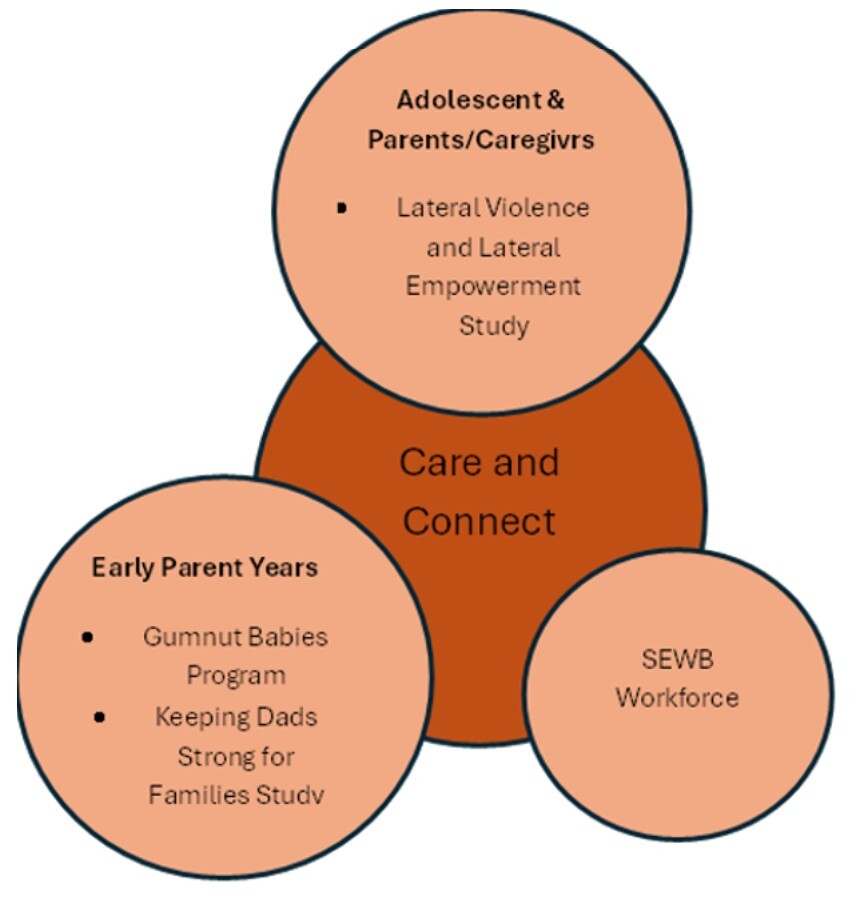
The study will address three streams being Adolescents and Parents/Caregivers; Early Parenting Years and the SEWB Workforce.
There are also several studies that are under development and awaiting commencement under Care and Connect Pathways.
Below is a selection of studies that are underway across each stream:
Keeping Dads Strong for Families Project
Aim: The aim of the study is to yarn to Aboriginal and Torres Strait Islander dads to find out what their experience of being a dad is like, what keeps their social and emotional wellbeing (SEWB) strong and what type of support they need to stay strong for their families as dads to be able to provide support for their partners and family.
Findings from the yarning circles will be used to create a culturally safe program aimed at enhancing the SEWB of Aboriginal and Torres Strait Islander dads. This program will encompass cultural activities, alongside education on fathering and child development, in addition to, practical assistance related to job searching/opportunities and navigating the Department for Child Protection. At the heart of the program will be the establishment of a safe space for fathers to come together, share their experiences, learn from one another, and empower each other to become the strong fathers they aspire to be for their families.
Collaborators - Keeping Dad’s Strong for Families program will run in collaboration with Aboriginal Community Organisations Naporendi Aboriginal Forum, Tiraapendi Wodli, and Flinders University at the Flinders Wellbeing Centre, Aboriginal Sobriety Group (ASG) and Kornar Winmil Yunti (KWY) Aboriginal Corporation.
Timeline – 2025-2030
Funding – MRFF Grant
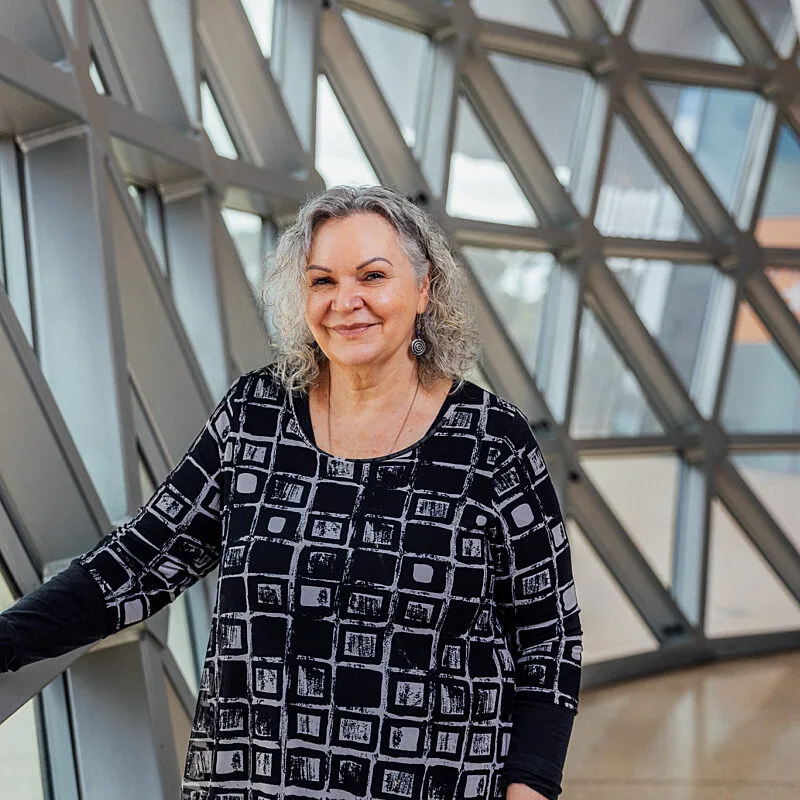
Investigators - Associate Professor Yvonne Clark, Principle Investigator
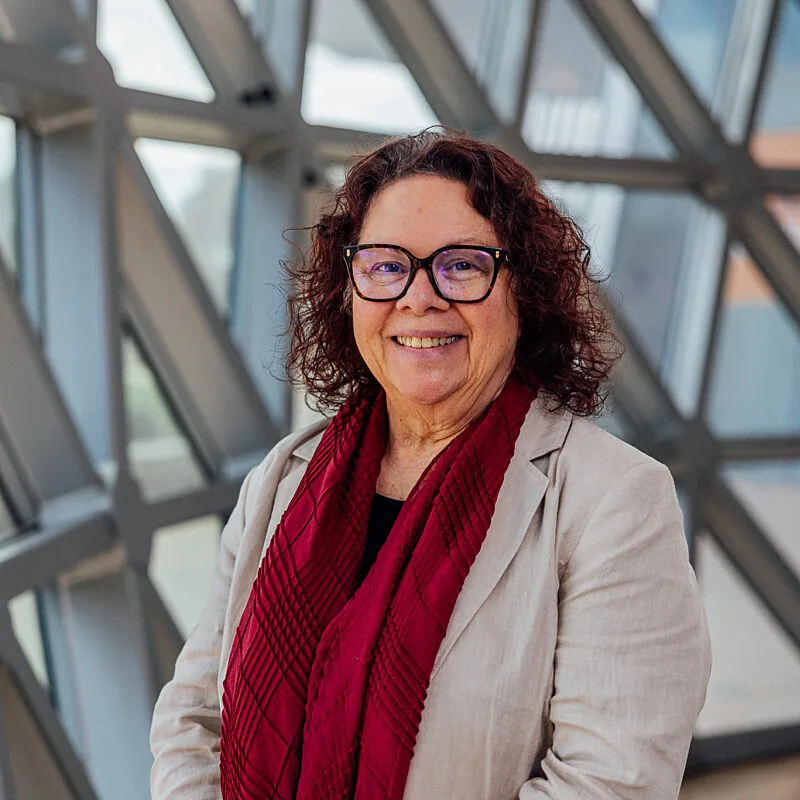
Principal Research Fellow, Karen Glover, Chief Investigator
Project Contact - Senior Project Officer, Michael Collard
Lateral Violence and Lateral Empowerment Project
Title: Lateral Violence and Lateral Empowerment in relation to Aboriginal and Torres Strait Islander Youth in South Australia
Aim: The project aims to listen to a collective of Aboriginal and Torres Strait Islander young people within metropolitan and regional areas of South Australia to identify their strengths and the ways that they nurture or want to nurture their social and emotional wellbeing (SEWB), when confronted with lateral violence in the community. Moreover, the project seeks to explore the ways that young people stay strong and feel empowered to contribute to the future development of intervention models and resources to address lateral violence and promote lateral empowerment.
Timeline – 2024-2029
Funding – NHMRC Investigator Grant
Principle Investigator – Associate Professor Yvonne Clark
Gumnut Babies
Aim: The quality of parent-infant interaction has a significant role in the child’s development and life trajectory. Building and strengthening the mother child relationship and connectedness at an early age leads to strong, connected and well-adjusted adults later in life. Gumnut Babies aims to support Aboriginal mothers and their support person to strengthn themselves and their bonds with babies from birth to two years of age through activities based on connections to communities, relationships and culture. The Gumnuts program will provide activity and reflective based interventions that effectively support mother-infant relationships and harness Aboriginal cultural parenting practices associated with the development of early connectedness. The Gumnuts program is a 16-week program that will be piloted across both metropolitan and regional areas of South Australia in 2027.
Partners - Gumnut Babies will run in collaboration with Kaurna Plains Children’s Centre, for Early Child Development and Parenting and Kornar Winmil Yunti (KWY) Aboriginal Corporation.
Timeline – 2025-2030
Funding – MRFF grant
Investigators - Associate Professor Yvonne Clark, Principle Investigator
Principal Research Fellow, Karen Glover, Co-Investigator
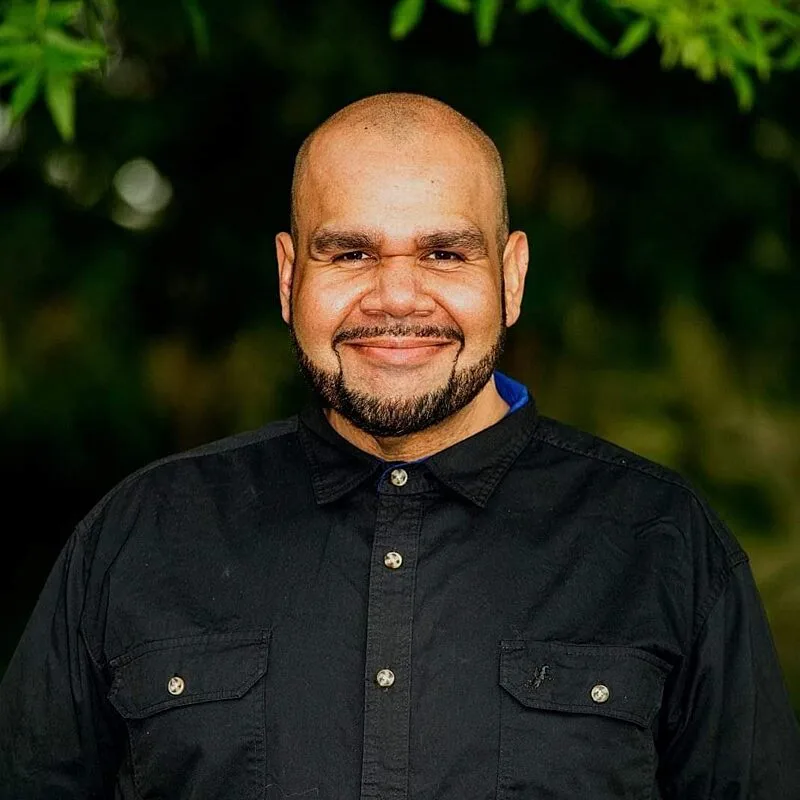
Project Team
Partnering Institutions
Kaurna Plains Children’s Centre
Kornar Winmil Yunti (KWY) Aboriginal Corporation
Naporendi Aboriginal Forum
Tiraapendi Wodli
Flinders Wellbeing Centre, Flinders University
Aboriginal Sobriety Group (ASG)
This project is funded by
National Health and Medical Research Council
Medical Research Future Fund (MRFF)

SAHMRI is located on Kaurna Country. We pay respects to the Kaurna people of the Adelaide Plains and to all Aboriginal and Torres Strait Islander people. We are committed to embracing knowledge and culture as we continue our working journey to incorporate Aboriginal health research across all of our themes and further reconciliation.
Read more"Tirki nguta tappa tangka marninithi"
(Learning and knowledge are the pathway to alter the mind)
- Uncle Lewis Yerloburka O’Brien, Kaurna Elder