
SAHMRI's stand-out Investigator Grants success
29 July 2026
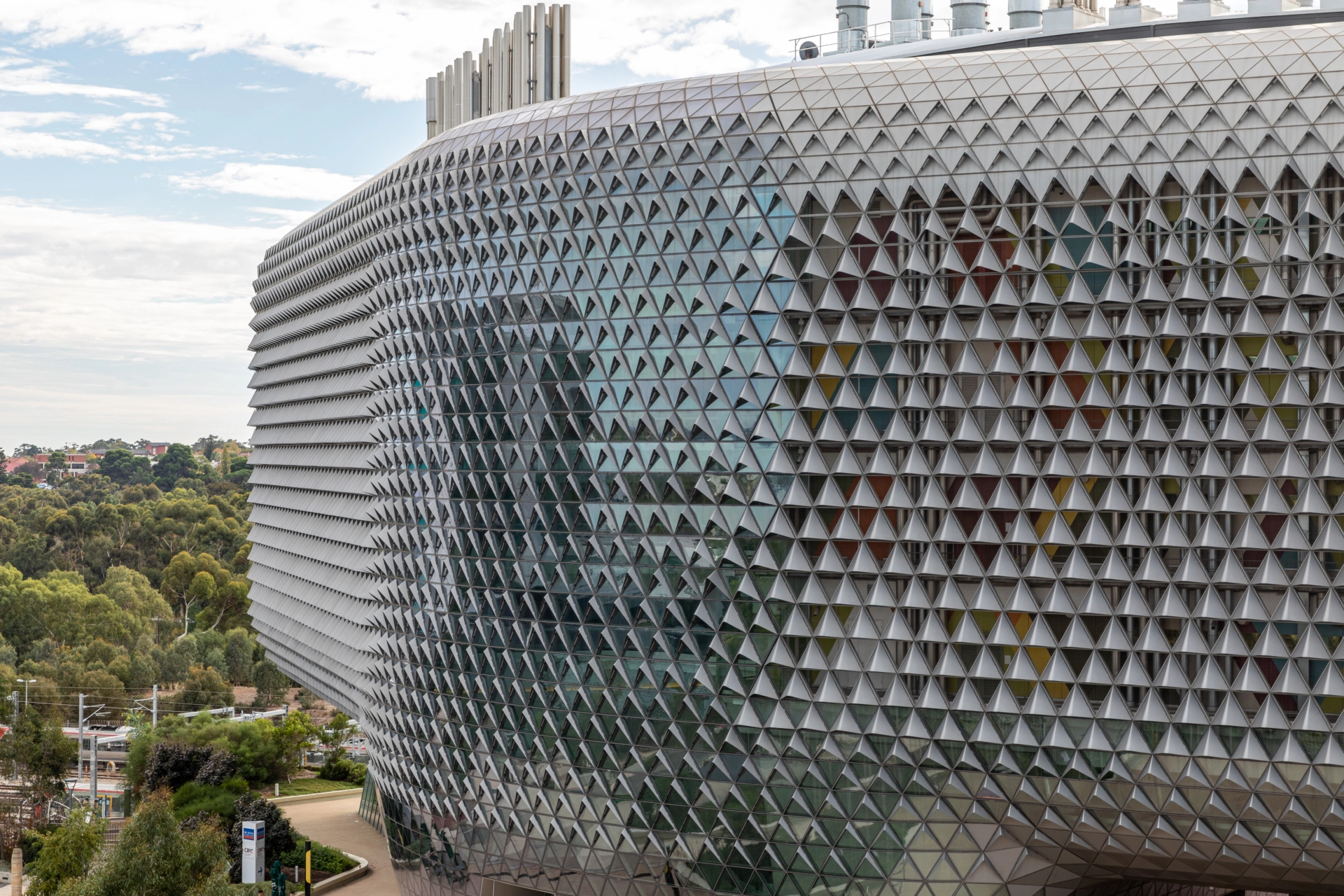
SAHMRI researchers have been awarded six prestigious NHMRC Investigator Grants spanning public health, cancer, chronic pain, healthy ageing and aged care, in an exceptional funding round result for the institute.
Two of the funded projects are tackling Australia’s growing burden of obesity linked to ultra-processed foods and sugary drinks.
Health Policy Centre Director, Professor Caroline Miller is leading research to drive systemic change aimed at reducing over-consumption of sugar-sweetened beverages and ultra-processed foods. These damaging products now make up a large and increasing proportion of Australian diets.
Prof Miller will evaluate the effectiveness of warning labels in motivating healthier consumer choices and generate practical recommendations to inform public health policy.
Working in unison, Health Policy Centre Deputy Director, Dr Jo Dono, will simultaneously lead the Ditching Ultra-processed Products to Enrich Diets (DUPED) project, to reframe how Australians think about reducing consumption of unhealthy foods and drinks.
Her research will develop and test public health communication tools designed to improve understanding of dietary risk, inform mass media messaging, and strengthen the evidence base for future nutrition and prevention policy.
Precision Cancer Medicine Clinical Director, Professor Tim Hughes is leading a five-year research program aimed at helping more people living with chronic myeloid leukaemia (CML) achieve long-term treatment-free remission.
Building on more than a decade of research that helped transform the disease from a death sentence to a manageable chronic condition, the project will investigate the genetic and immune factors that determine why some patients can safely stop treatment while others cannot. Through a series of clinical trials and collaboration with leading national and international researchers, the program seeks to expand access to treatment-free remission and move closer to a functional cure for CML.
Professor Stuart Brierley, Director of SAHMRI’s Visceral Pain Research Group, is advancing new therapies for chronic visceral pain, a condition affecting around one in five Australians living with either irritable bowel syndrome (IBS), inflammatory bowel disease (IBD) and endometriosis.
By combining advanced pre-clinical models with patient-derived samples, Prof Brierley is seeking to identify the underlying causes of chronic visceral pain and develop targeted treatments to address pain at its source.
Lysosomal Health in Ageing researcher, Dr Julian Carosi will investigate how cells identify and clear damaged proteins that drive neurodegenerative diseases such as Alzheimer’s disease. Proteins like tau can become abnormal and multiply as sticky plaque in the brain, overwhelming the cell’s waste-disposal systems. Dr Carosi is on a mission to uncover how cells distinguish damaged proteins from healthy ones, with the long-term goal of harnessing these pathways to develop new therapies.
Associate Professor Stephanie Harrison from the Registry of Senior Australians (ROSA) Research Centre and Flinders University is improving access to care for older Australians, supporting more people to remain living at home and reducing unnecessary time spent in hospital.
Using national Medicare data, she’s identifying groups who experience difficulties accessing care and helping to inform targeted approaches that improve health outcomes and quality of life for Australia’s ageing population.
The successful grants reinforce SAHMRI’s position as a leader in health and medical research, supporting work that will shape policy, improve care and advance new treatments for some of the most significant health issues facing Australians.
Support research like this at SAHMRI
Donate todayRelated Articles



SAHMRI is located on Kaurna Country. We pay respects to the Kaurna people of the Adelaide Plains and to all Aboriginal and Torres Strait Islander people. We are committed to embracing knowledge and culture as we continue our working journey to incorporate Aboriginal health research across all of our themes and further reconciliation.
Read more"Tirki nguta tappa tangka marninithi"
(Learning and knowledge are the pathway to alter the mind)
- Uncle Lewis Yerloburka O’Brien, Kaurna Elder