
Dr Fatwa Adikusuma
Contact Details
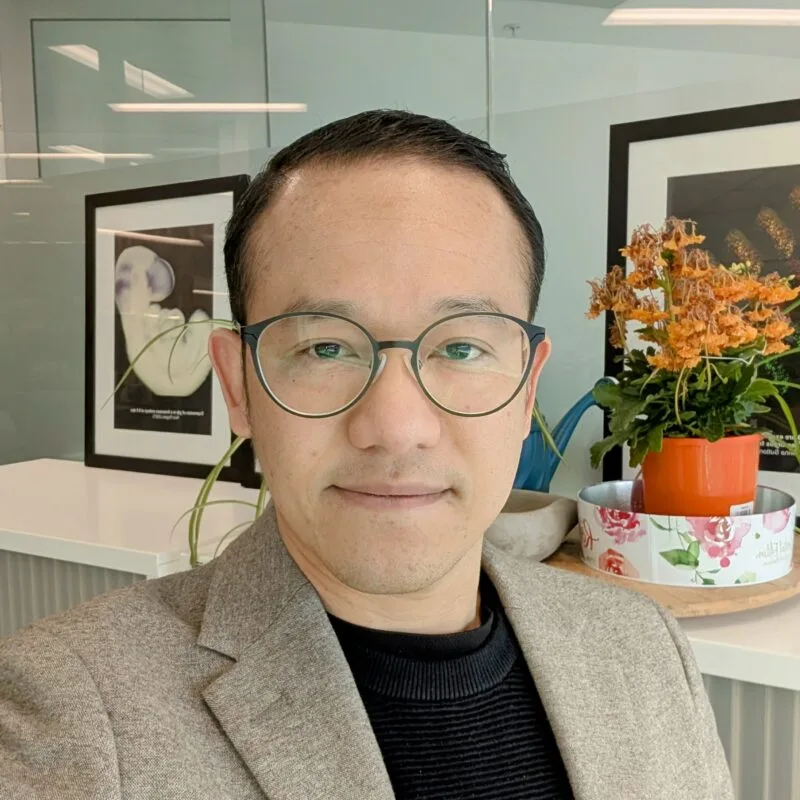
Dr. Fatwa Adikusuma is a molecular biologist and genome engineer dedicated to transforming the treatment of genetic diseases through precise and effective CRISPR-based therapies. His research focuses on harnessing and refining gene editing technologies to correct mutations that cause severe inherited conditions. Dr. Adikusuma’s work aims to uncover the mechanisms that influence CRISPR efficiency and precision, and to translate these advances into therapies for diseases such as Duchenne Muscular Dystrophy (DMD), Retinitis Pigmentosa, Spinal Muscular Atrophy, and Cystic Fibrosis. By developing innovative strategies for gene correction, his team strives to restore health and improve quality of life for patients. He is a Senior Research Fellow (broadly equivalent to a US Assistant Professor) in the School of Pharmacy and Biomedical Science, and the Group Leader of the Gene Editing Technology and Therapeutics Laboratory at Adelaide University, Robinson Research Institute, and the South Australian Health and Medical Research Institute (SAHMRI). His research is supported by an NHMRC Emerging Leadership Investigator Grant (2026-2030). He was previously awarded an ARC DECRA Fellowship (2023-2025) and a CSIRO Synthetic Biology Future Science Platform Fellowship (2018–2021). Dr. Adikusuma’s contributions have been recognised with multiple Researcher Awards, highlighting his leadership in CRISPR innovation. Beyond academia, he co-founded Gene Editing Therapeutics (GETx), a biotechnology company focused on translating CRISPR research into clinical solutions. The discoveries from Dr. Adikusuma’s team are paving the way for a new generation of genetic medicines, with applications in treating previously incurable diseases, advancing genome engineering technologies, and shaping the future of precision medicine.

Find out more about Fatwa's research outputs, qualifications and affiliations on the
SAHMRI Researcher portal

SAHMRI is located on Kaurna Country. We pay respects to the Kaurna people of the Adelaide Plains and to all Aboriginal and Torres Strait Islander people. We are committed to embracing knowledge and culture as we continue our working journey to incorporate Aboriginal health research across all of our themes and further reconciliation.
Read more"Tirki nguta tappa tangka marninithi"
(Learning and knowledge are the pathway to alter the mind)
- Uncle Lewis Yerloburka O’Brien, Kaurna Elder